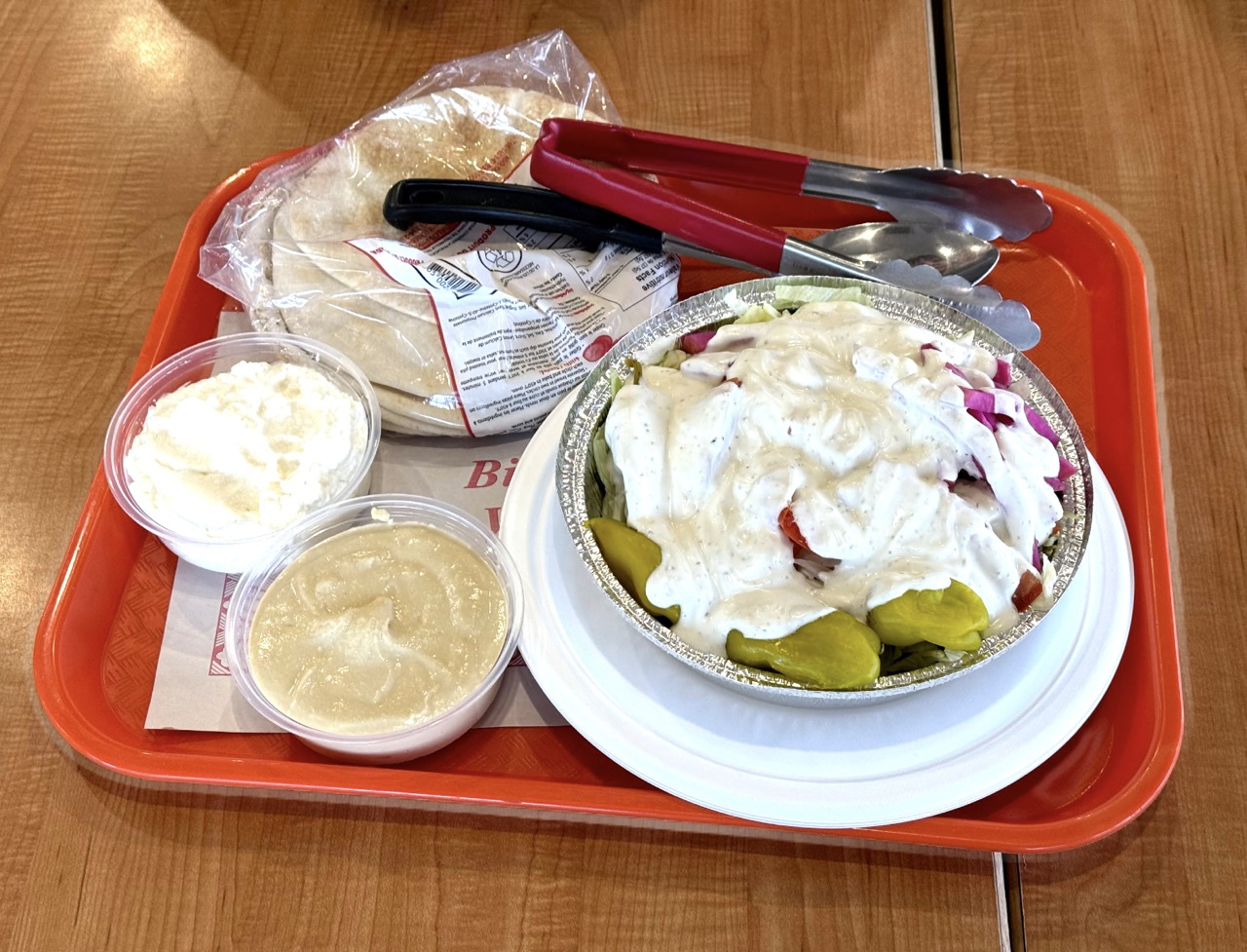
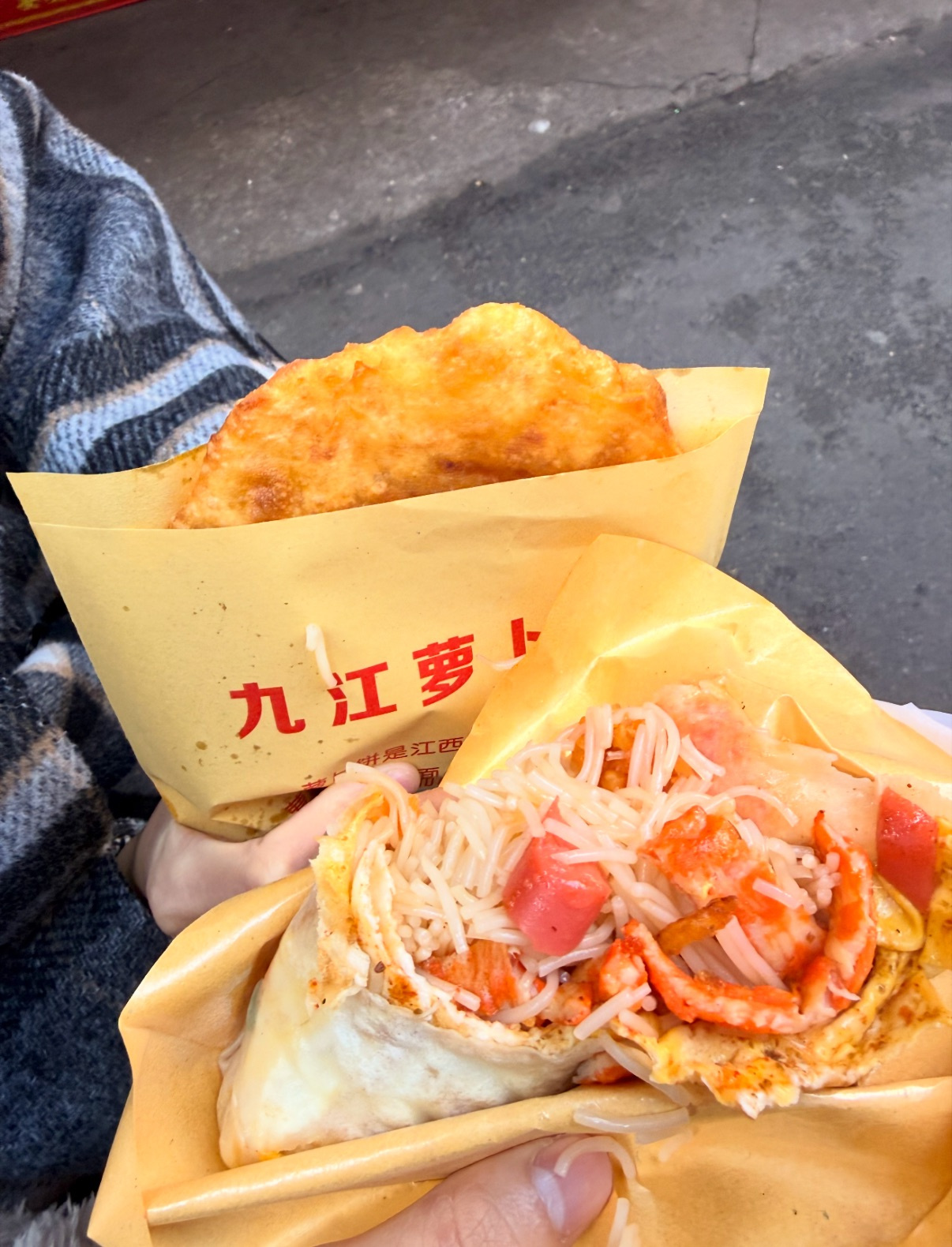
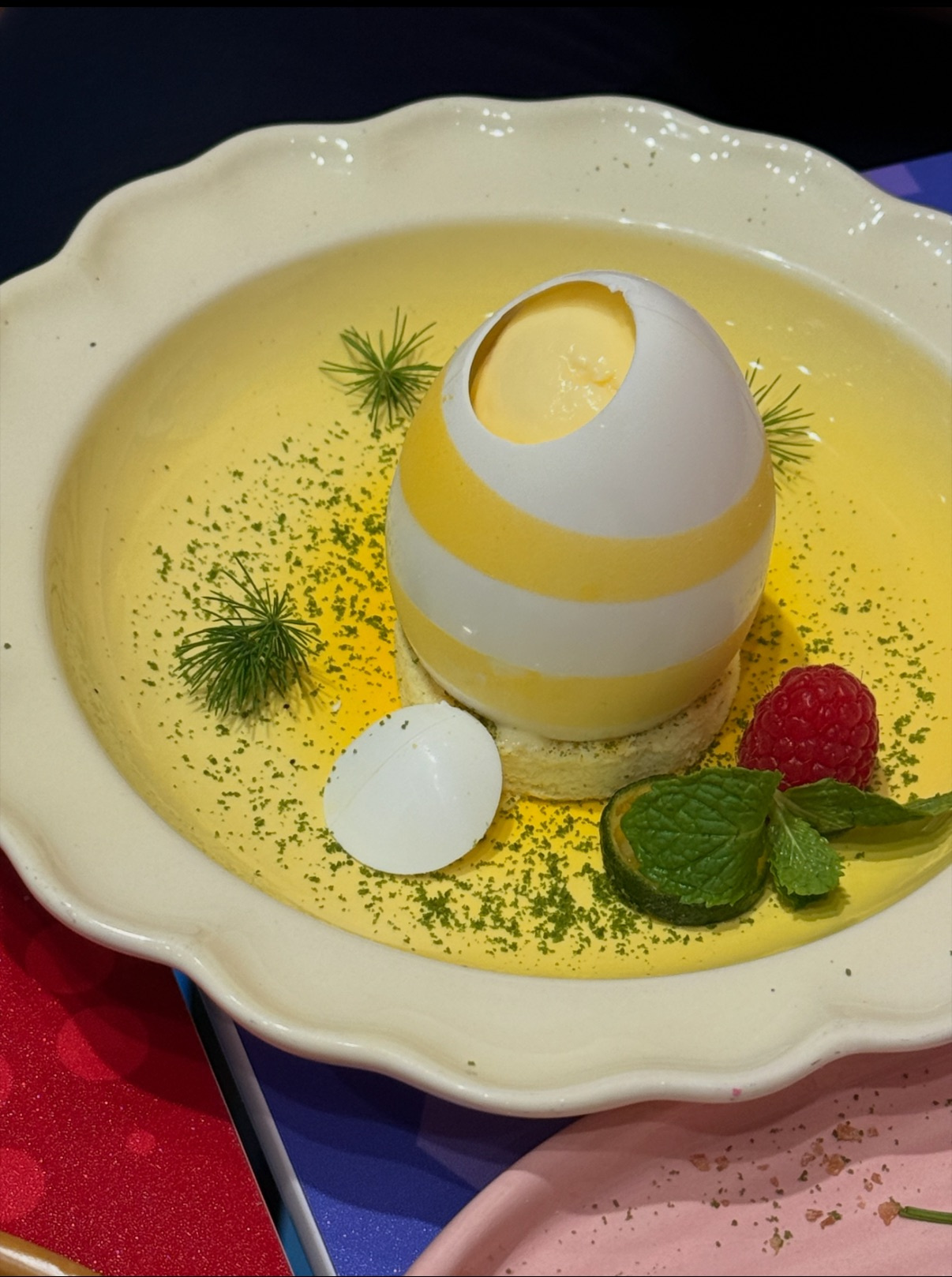
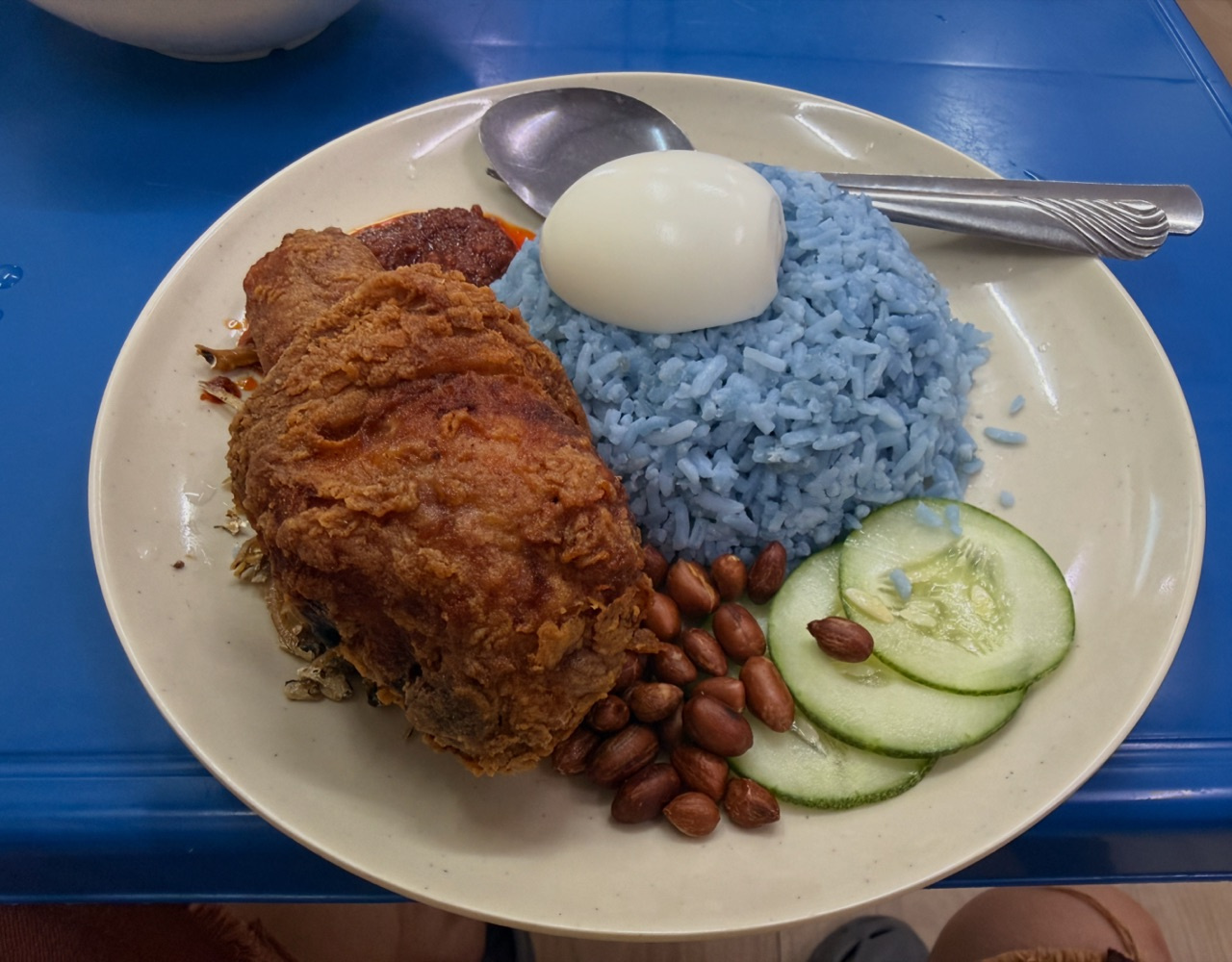
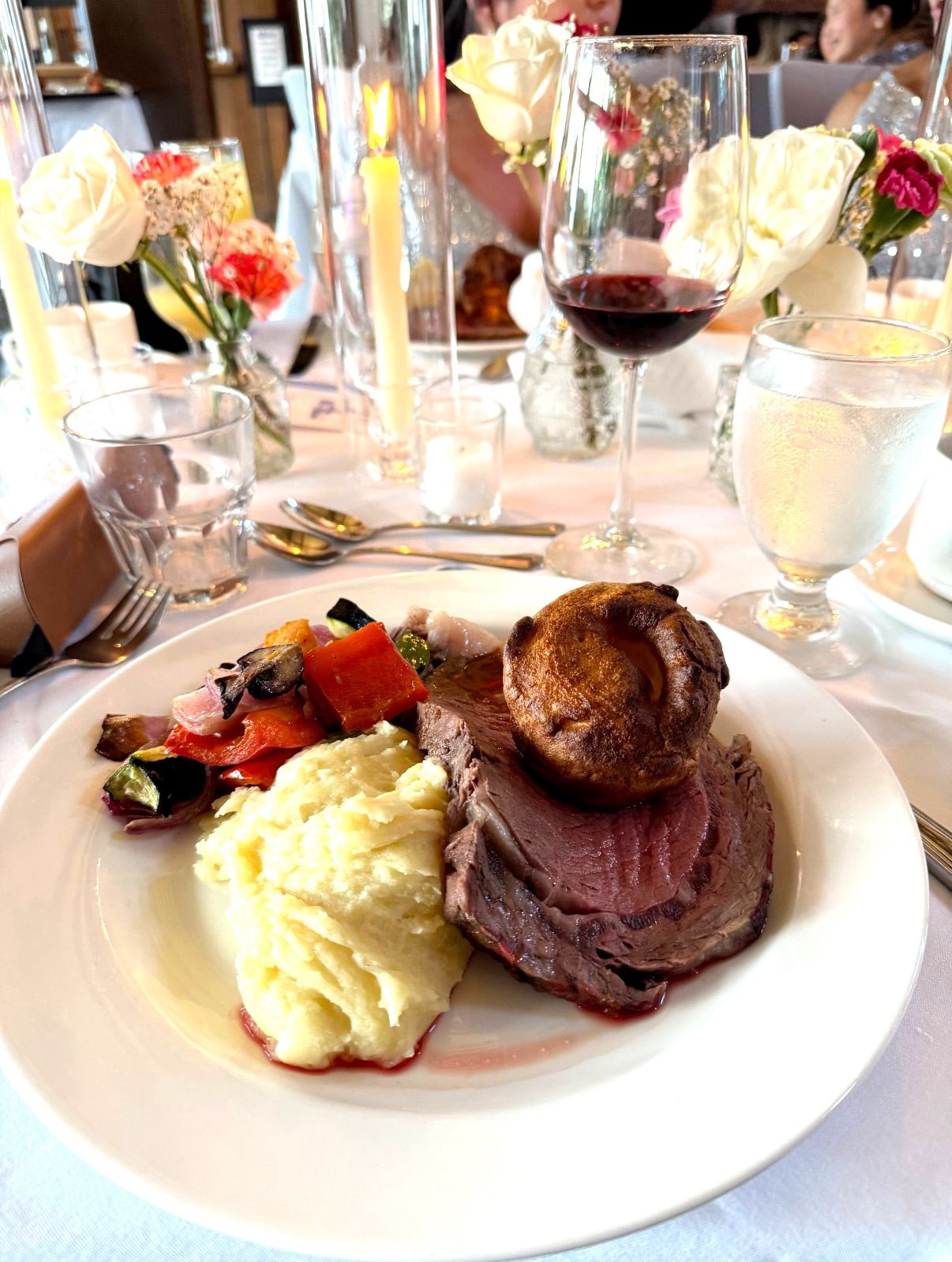
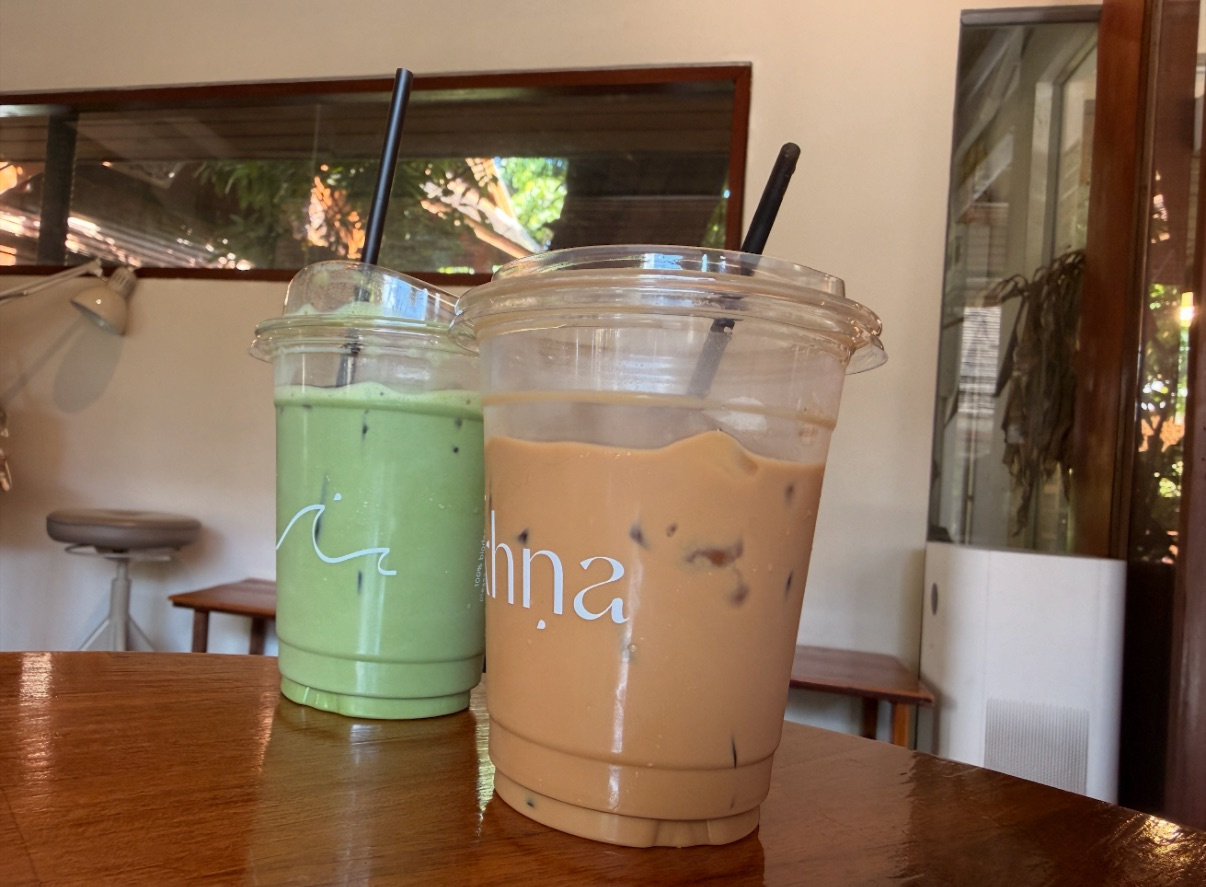
Since I first picked up a camera, I’ve kept the habit of creating an annual project. Partly, it’s an “assignment" expected within an art community I’m in; partly, it’s a way to force myself to audit my own trajectory of thought and conceptual evolution over the year. 2023 was
Dream Together; 2024 was
The Honest Photographer. But for 2025, I wavered until the very last day, finally settling on these casual food snapshots taken during my travels.
To be honest, I had planned to let this project rot, I didn’t think it’s going to show up here. I was too lazy to post it, and even lazier to type the words you are reading now. Three things gave me the final push to pick up the pen today:
Firstly, I saw a major photography award grand price go to an AI-generated series about
"How AI Changed Photography," sparking recursive debates about whether
"AI is photography" or if
"AI has changed photography." Secondly, I saw someone recommending a photobook shot by children but curated and edited by adults pretending to understand the so-called
"children’s perspective." Thirdly, I just ate some incredible salmon sashimi tonight, I couldn’t sleep, and started thinking about these photos, then felt like writing something.
In 2025, I traveled to places I’d never been, met many new and old friends, and finally picked back up archery. Careerwise, I transitioned from an AI user to an AI engineer, deep-diving into context engineering and building some interesting LLM Agents. So as an annual project, I actually could’ve done a few more AI-related conceptual ones like I did in the past year. I did have some ideas, but due to the concepts not being mature enough, or the prototypes not being fun enough, and the sheer busyness of startup life, they were shelved.
Photography is an incredibly interesting medium for creation. Looking back at its history, it is essentially a process of progressively lowering the barrier to entry. In the past, photography was the product of complex technical workflows; now, you just tap a button on your phone. Photography is nothing more than a subjective action utilizing industrial technology to perform a lossy preservation of objective existence. Does "AI Photography" count? Honestly, I don't care. All I know is that
"vibe coding" is playing out the exact same script in the programming world: AI is drastically lowering the threshold from "subjective idea" to "objective product." The creativity it unlocks is infinite; this is a productivity revolution unlike anything seen before in human history. How grand is such narrative?
In the startup world, we often talk about
"First Principles." So, what is the First Principle of photography? Many say it’s "the reason you first picked up a camera." So, some pursue a "return to simplicity," chasing vintage gear, as if the chemical reaction of film can inject some physical sense of truth into their photos. Others pursue the "children’s eye," attempting to borrow a definition of "innocence" defined by adults to dictate what children
should see and think, casually reminiscing about their own blurry childhoods in the process. Because the barrier has lowered, photographers have started "chewing on semantics" to dig defensive moats, arguing the hierarchy of
"Taking a photograph" vs.
"Making a photograph," claiming "taking pictures is easy, creating is hard," and elevating photography to an altar. When Photoshop appeared, they screamed, "Photography is dead!" When AI arrived, they’re now screaming, “Photography is dead, again!”
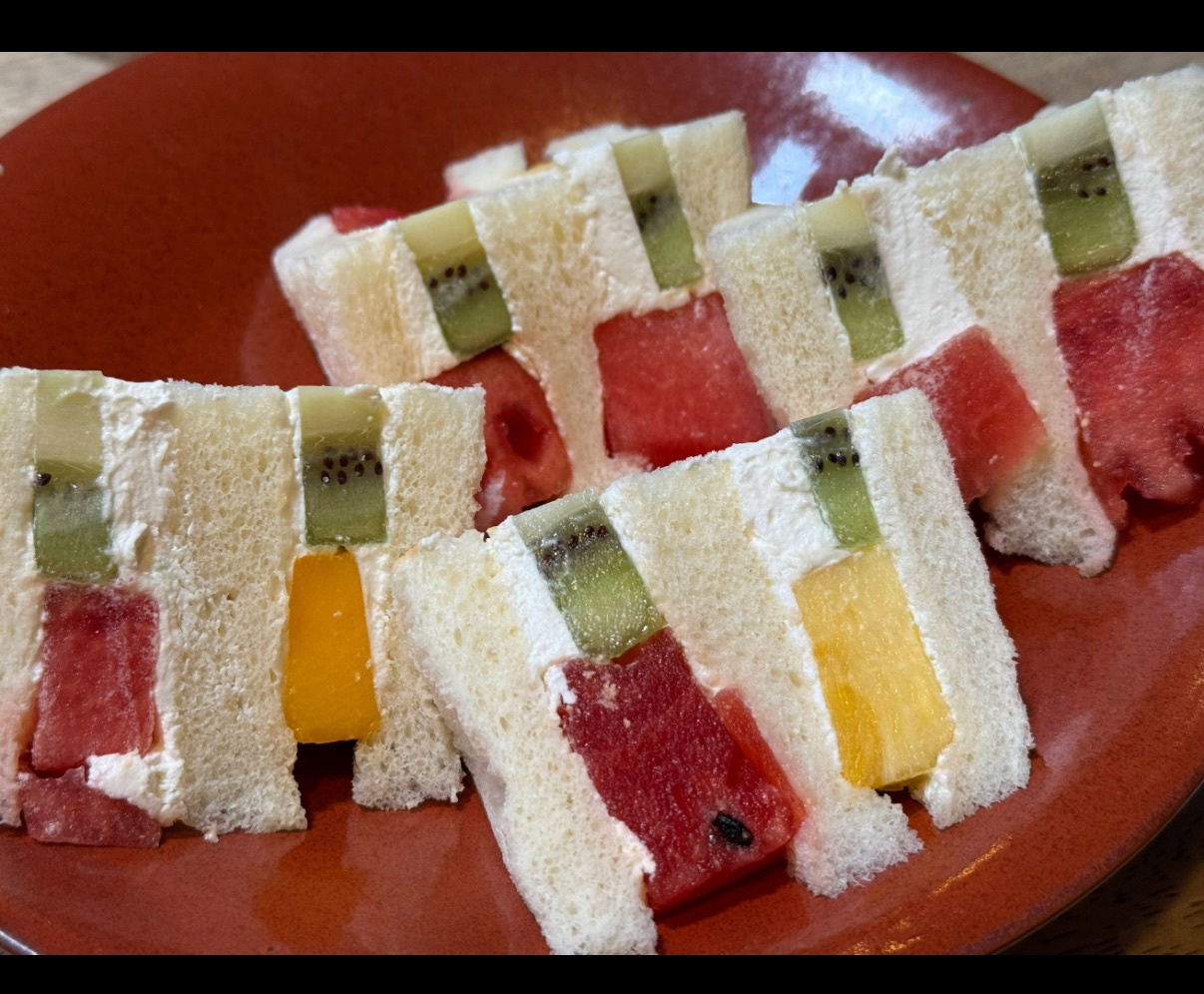
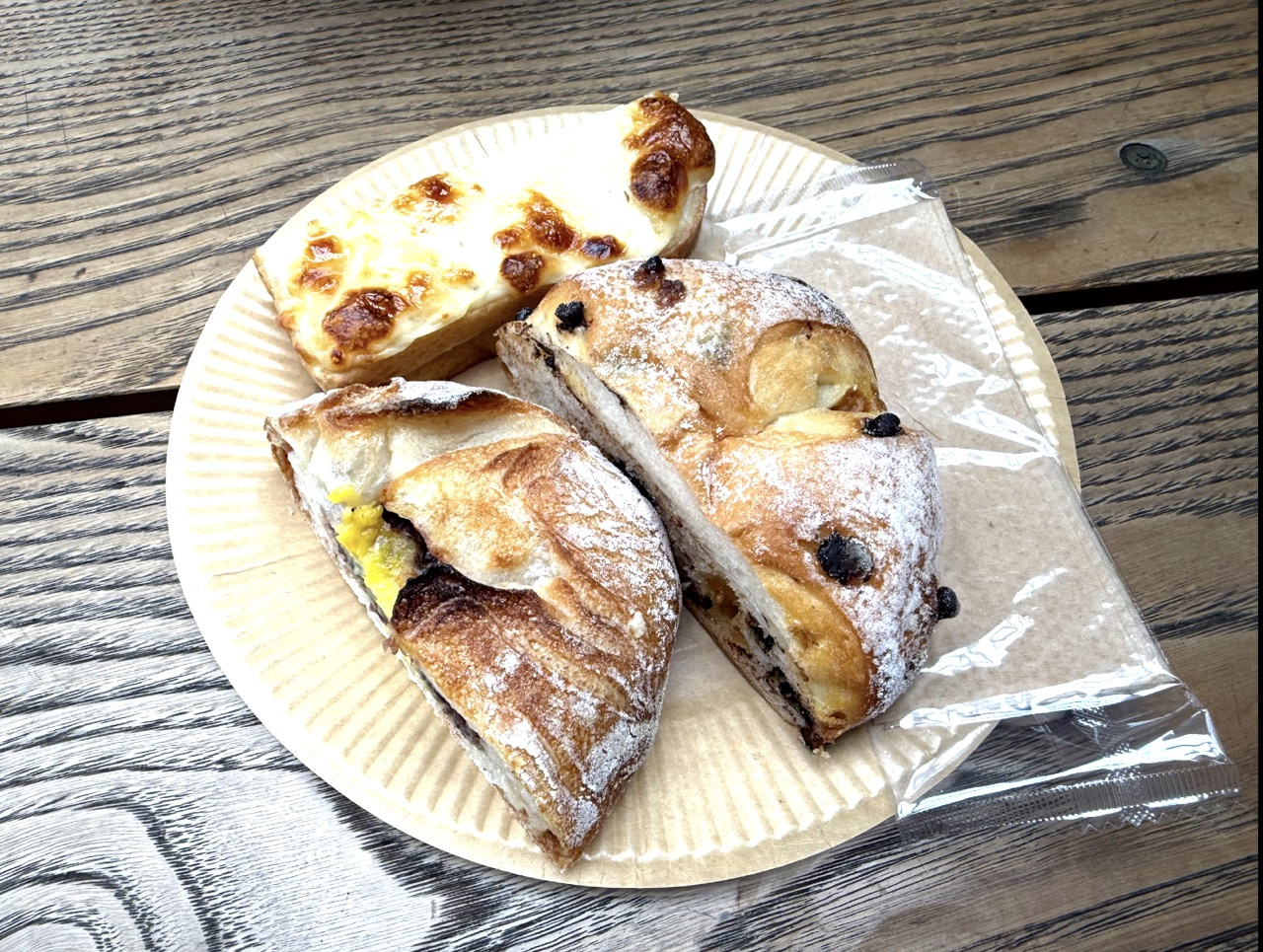
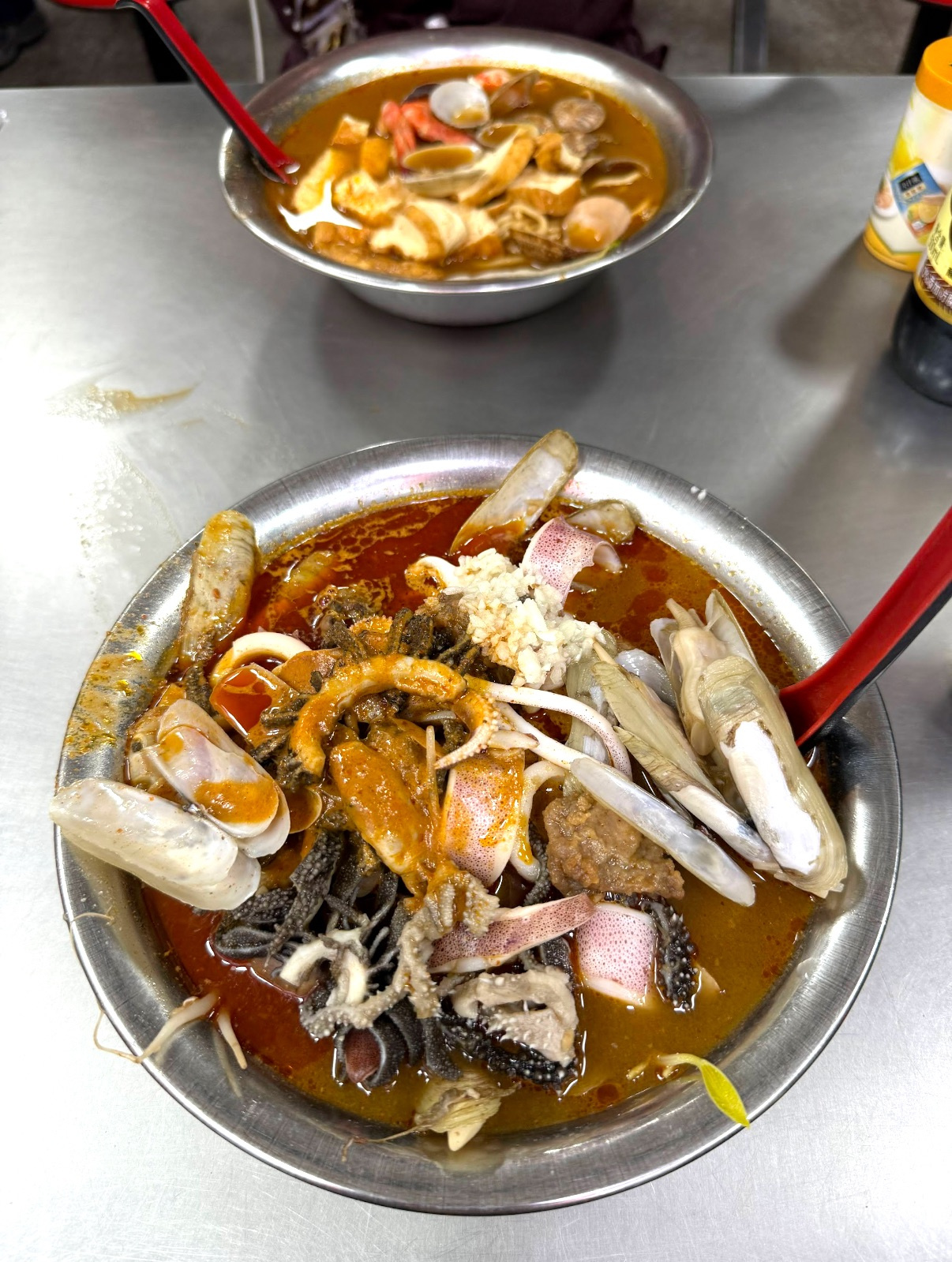
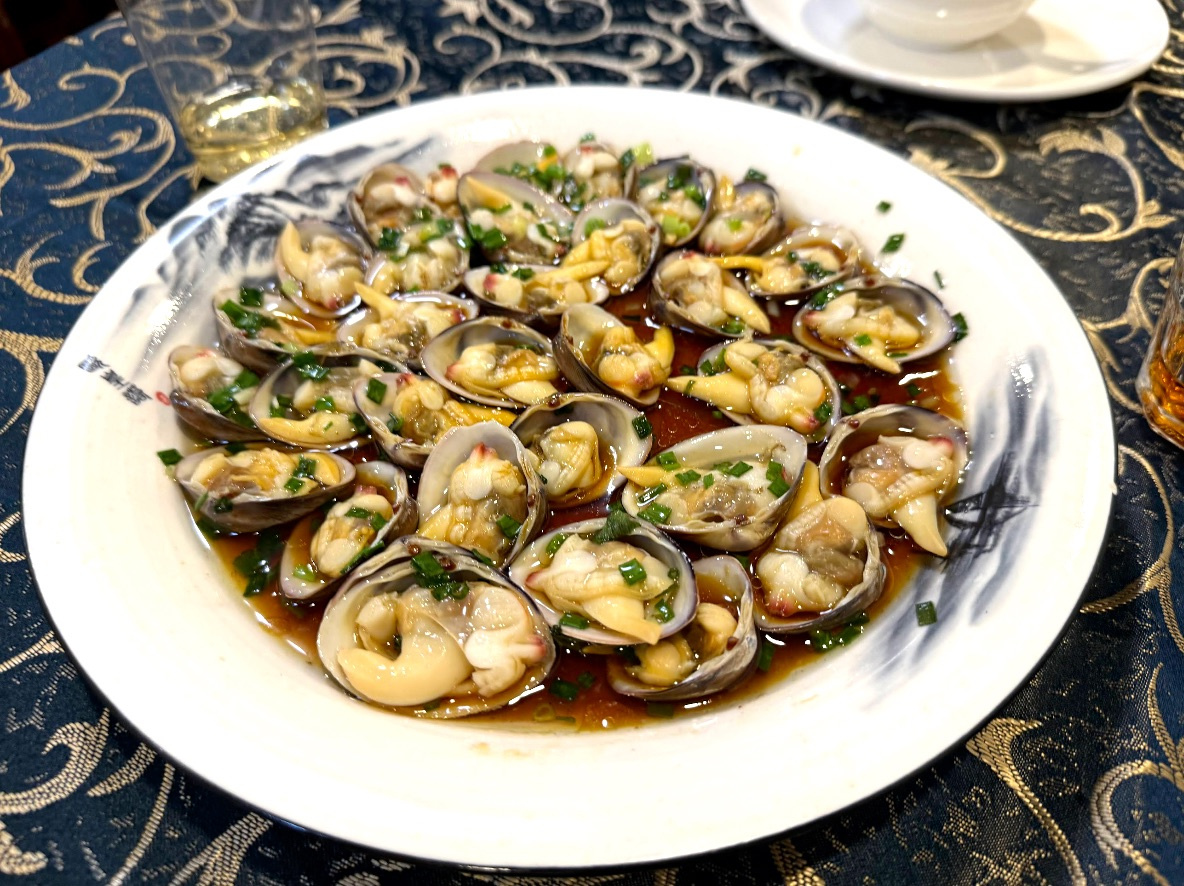
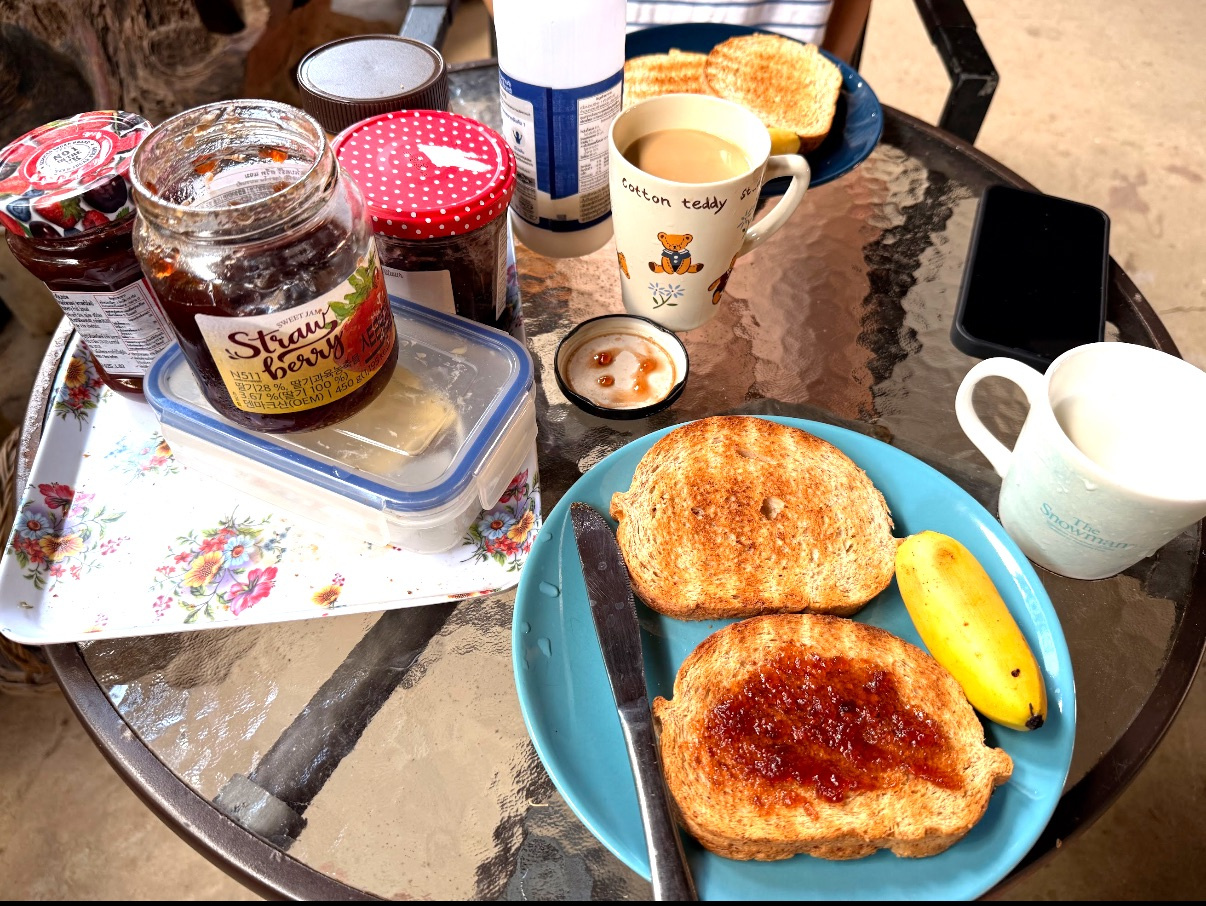
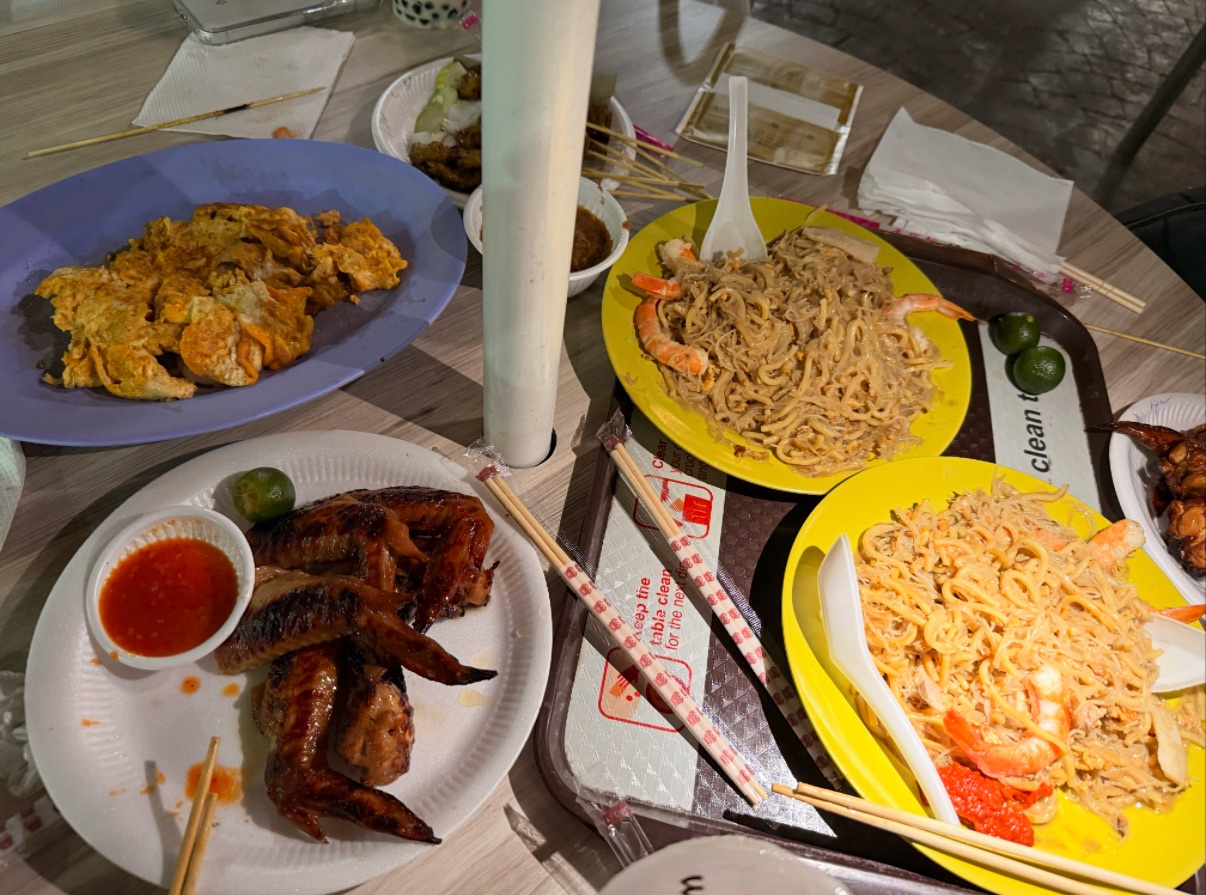
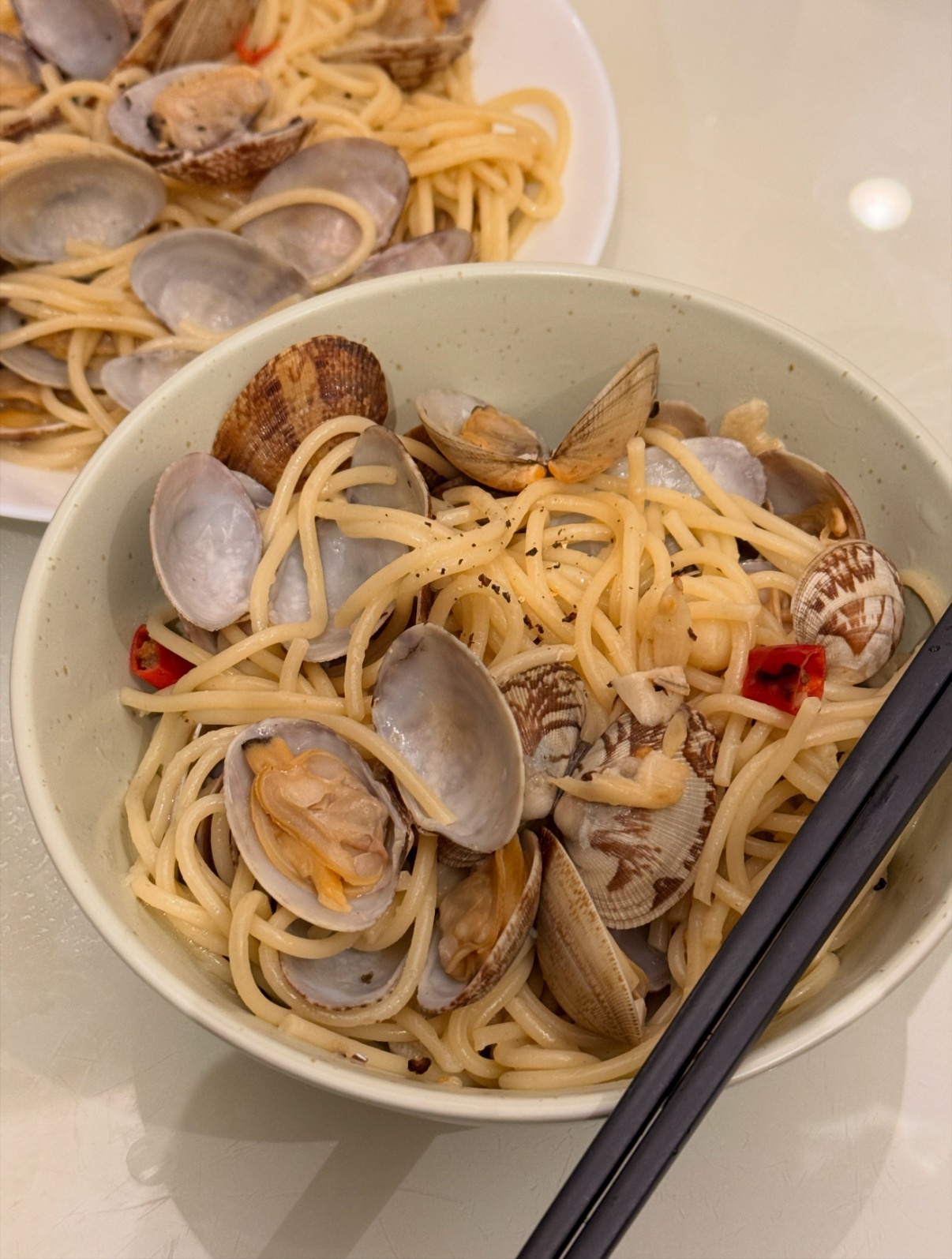
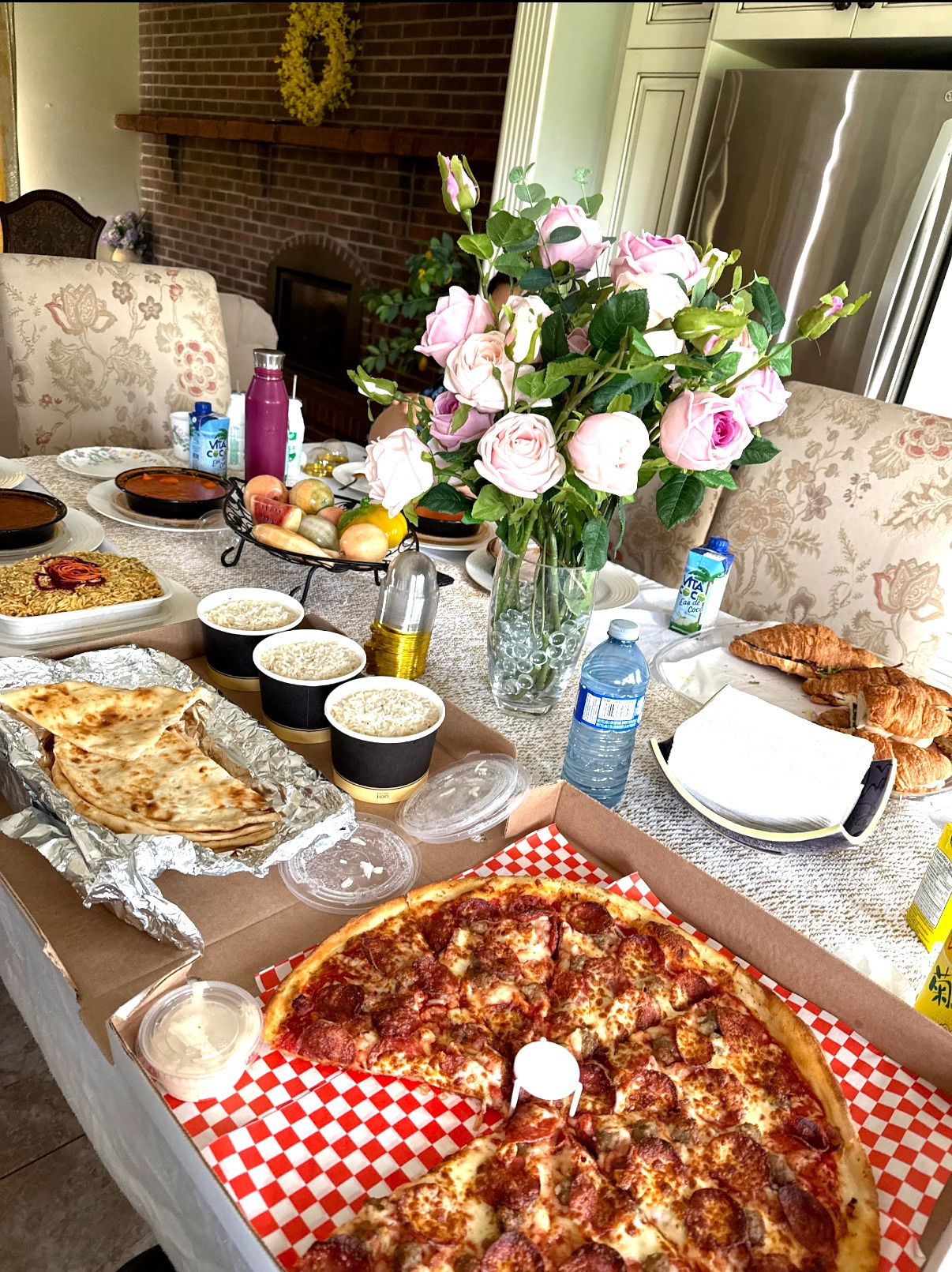
But photography didn’t die. It lives right now in your phone. Those group photos at parties you’ll never look at again; the ritual of "letting the phone eat first" before a meal. They authentically record the hunger in your stomach at that very moment, the urgent desire to finish shooting and start eating, and the memory of a taste, whether it tasted delicious or terrible. The restaurante you eat, the friends at the table, all of these memories are compressed into these pixels. These photos occupy your phone’s storage, they existing plainly, logically, and unremarkably. You look at them without giving it a second throught. You never question their authenticity because you truly
lived through them.
And this irreplaceable experience is the First Principle of photography. It is also its most unique quality.
For this set of images below, I could swap them with any other pictures in my phone, and the project would still hold true. They could be arranged in any permutation or combination. After all, so-called image editing is merely arranging visual notes on a retinal chart.
Feb 9, 2026
MT