Project 04
The Way We Played
- Year
- 2024
- Medium
- Archival pigment prints, CRT video and sound
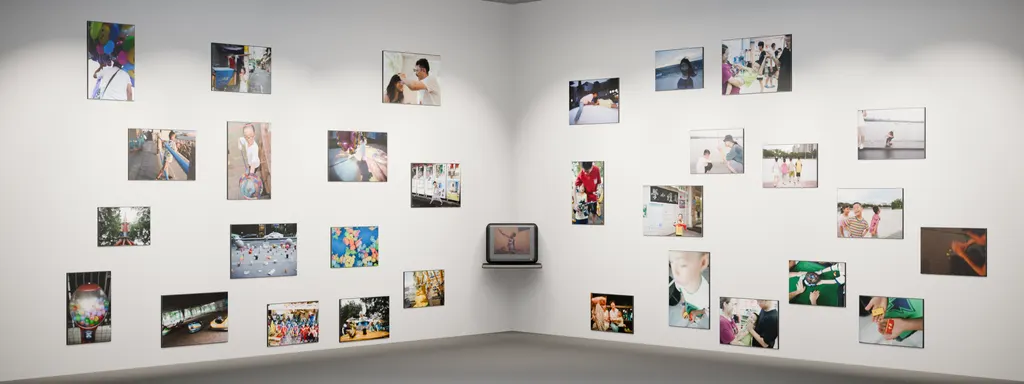
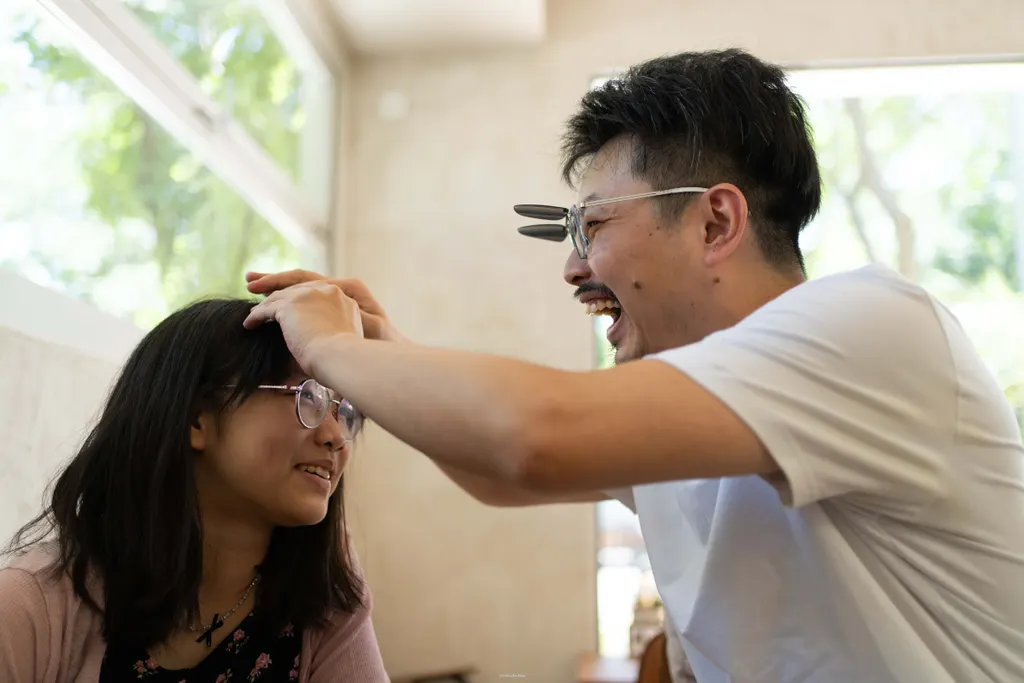
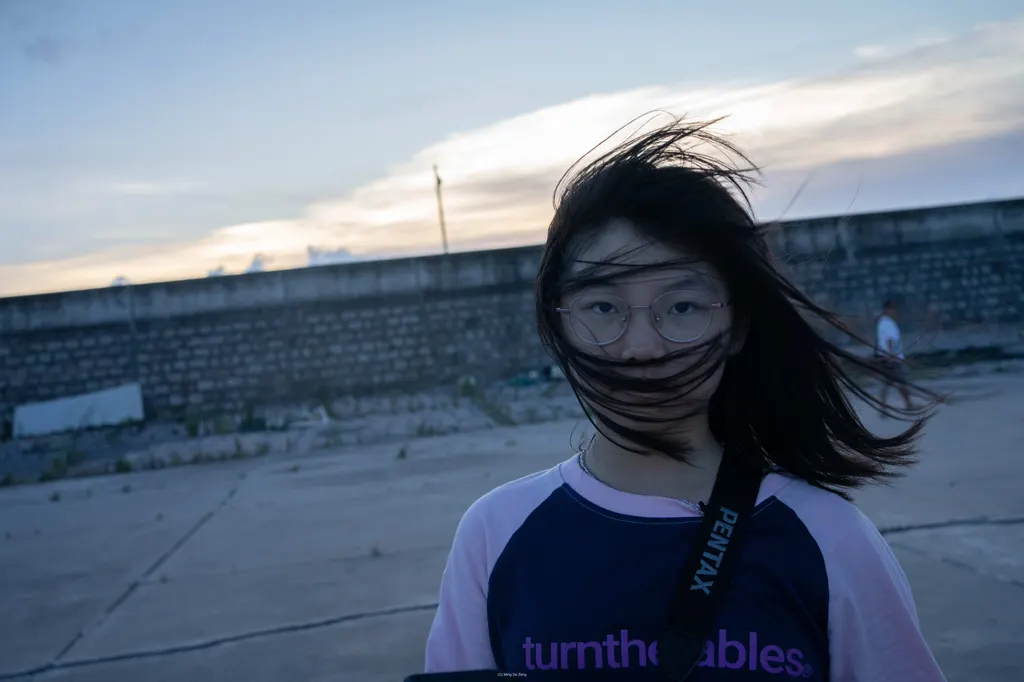
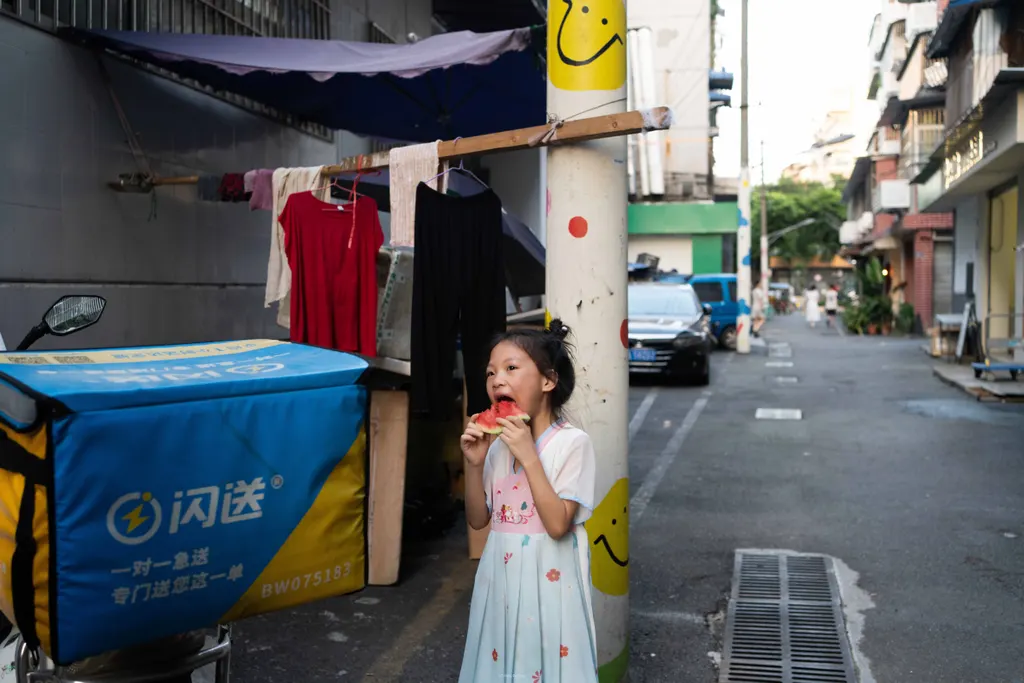
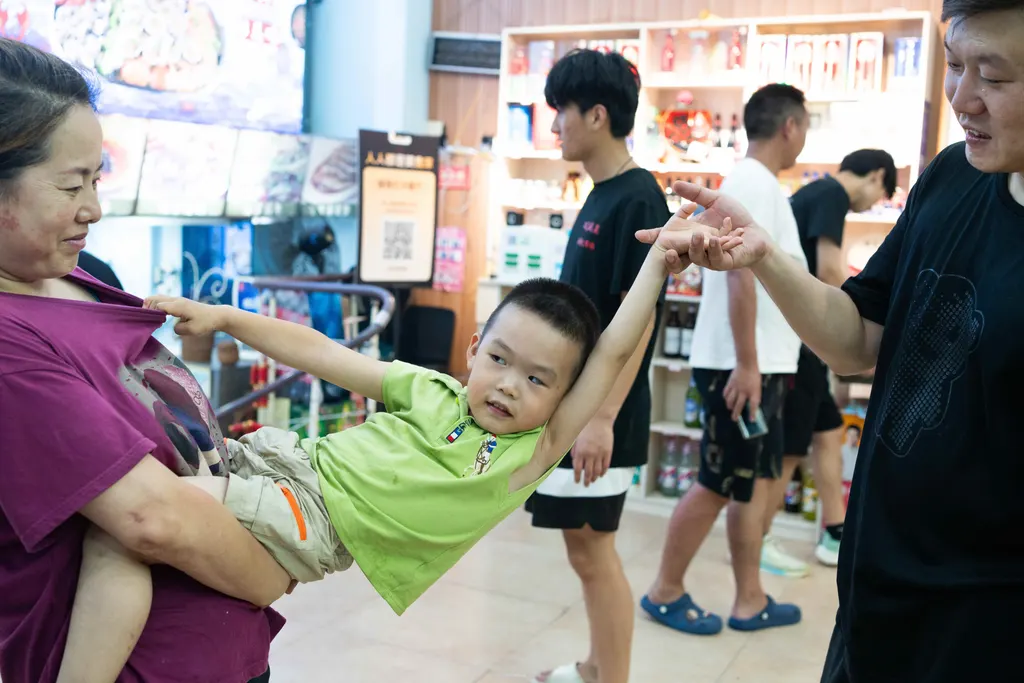
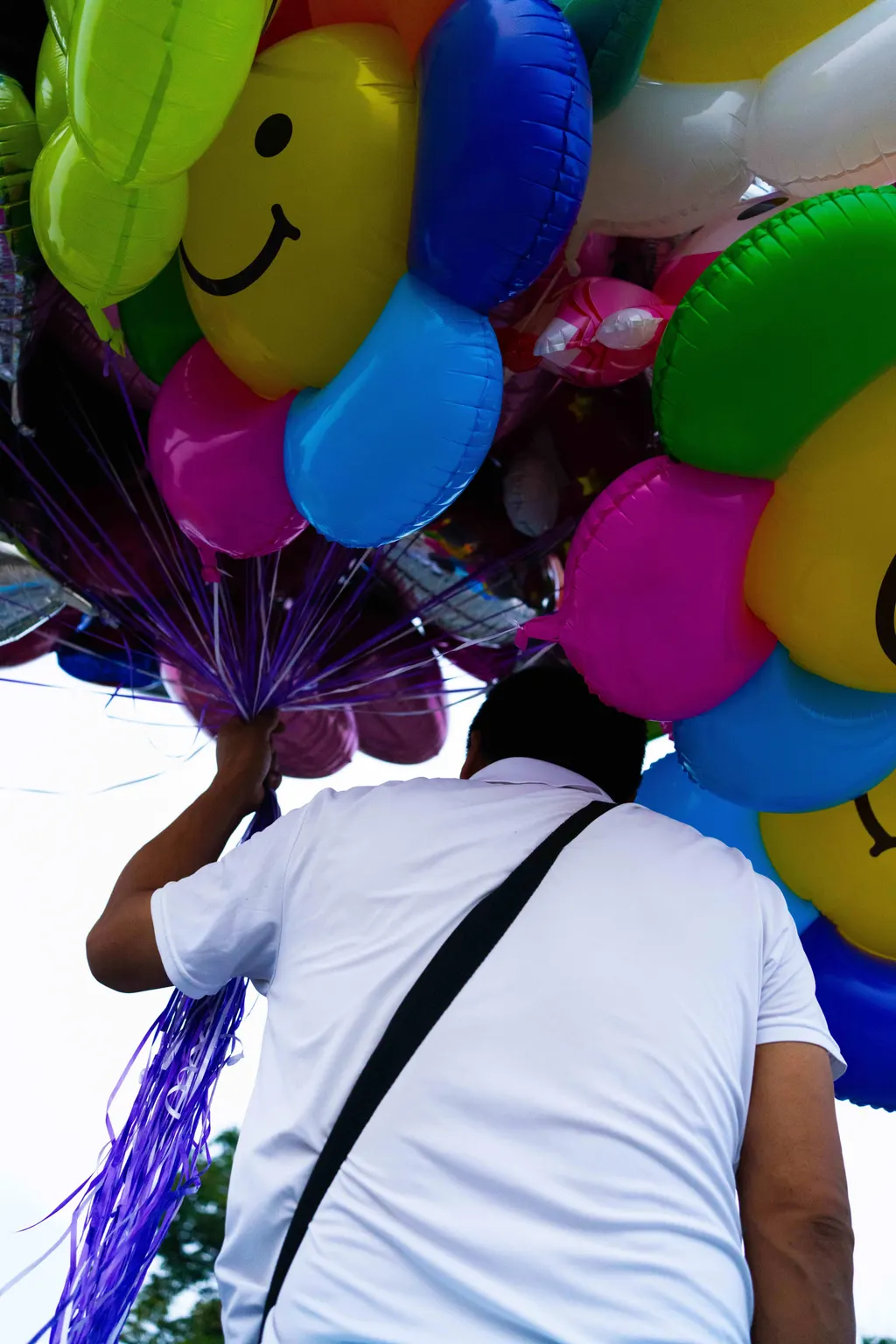
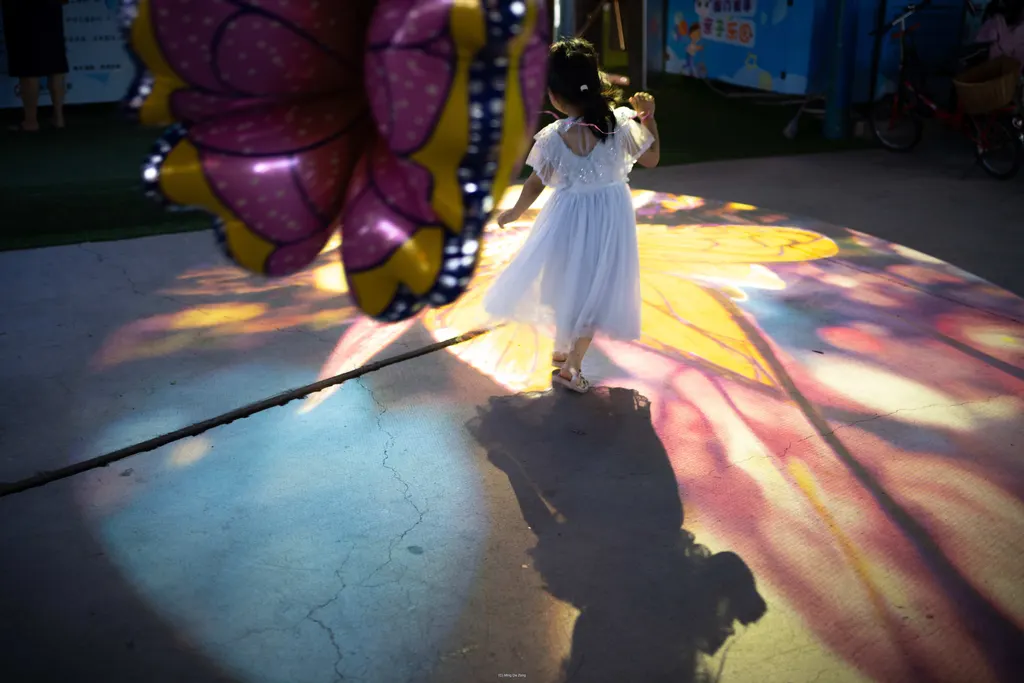
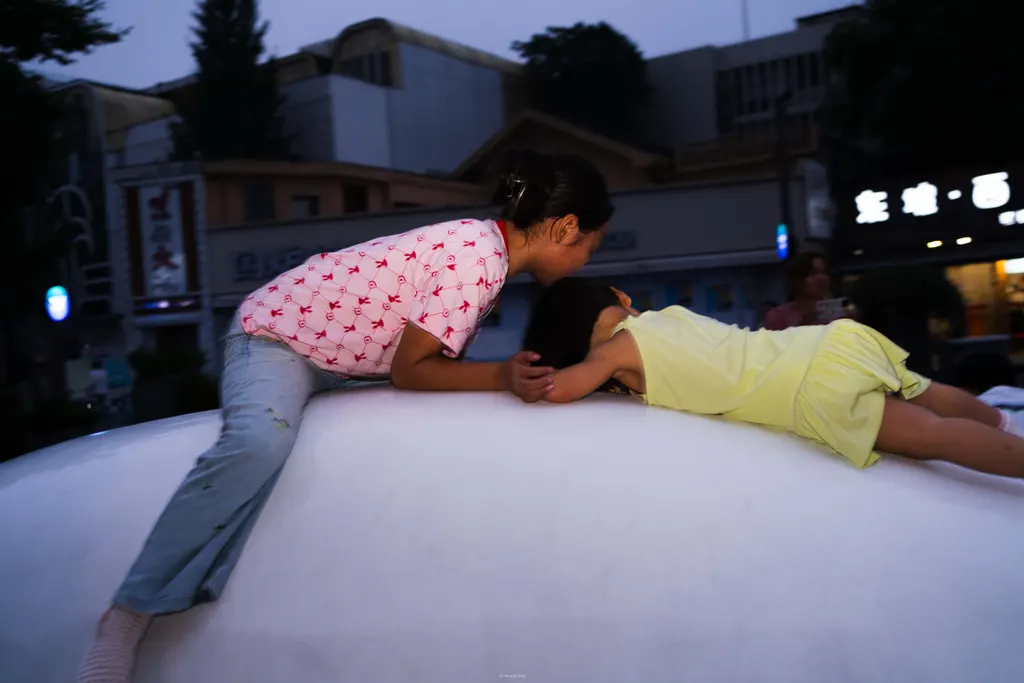

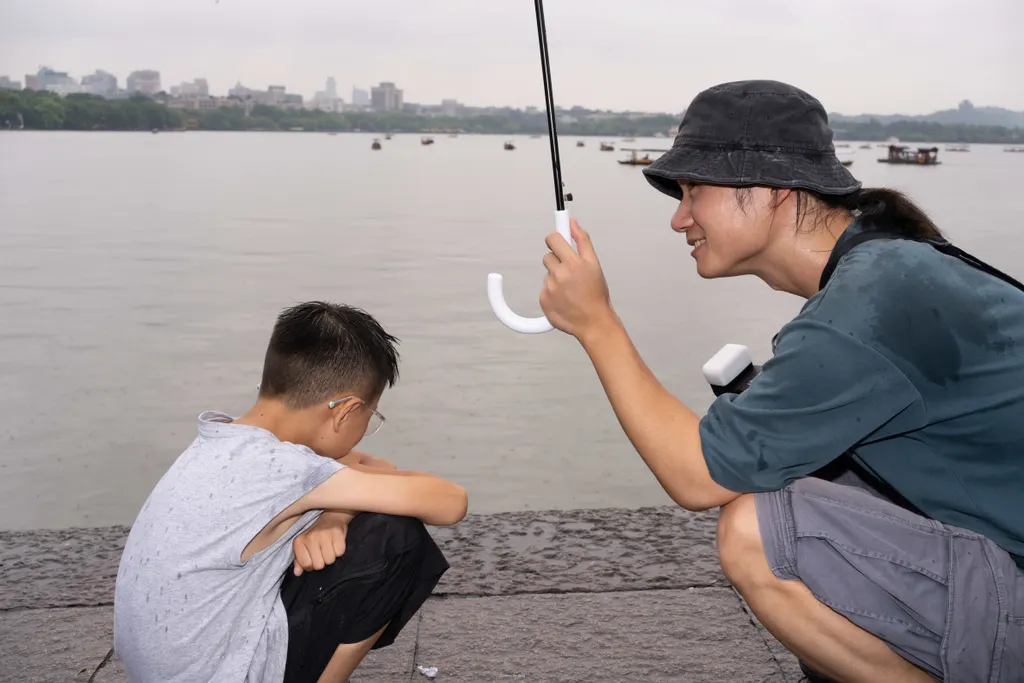
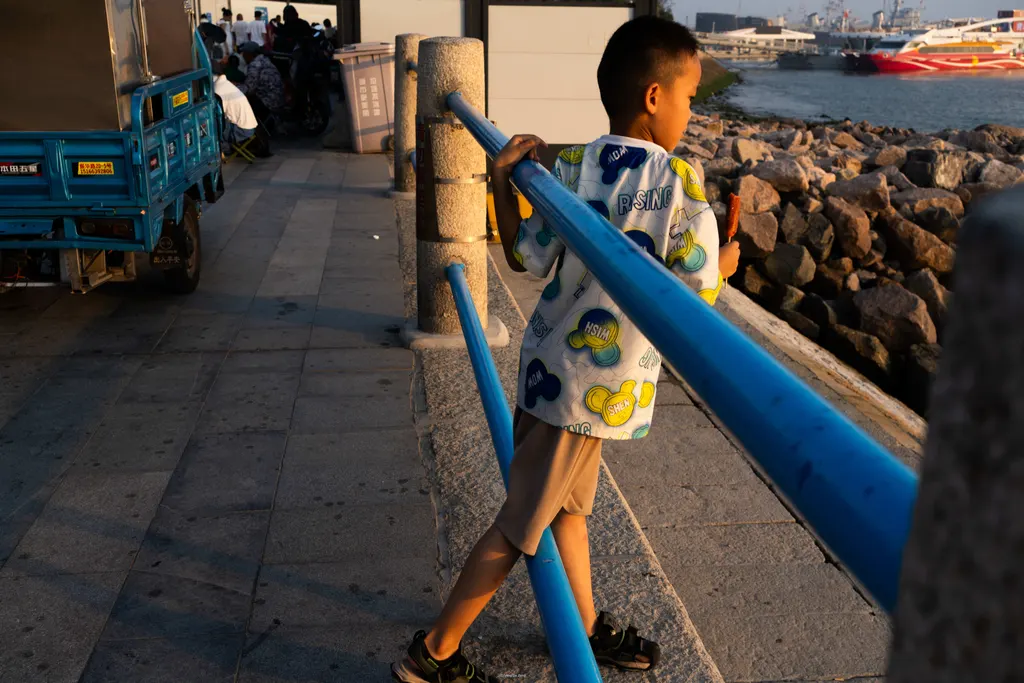
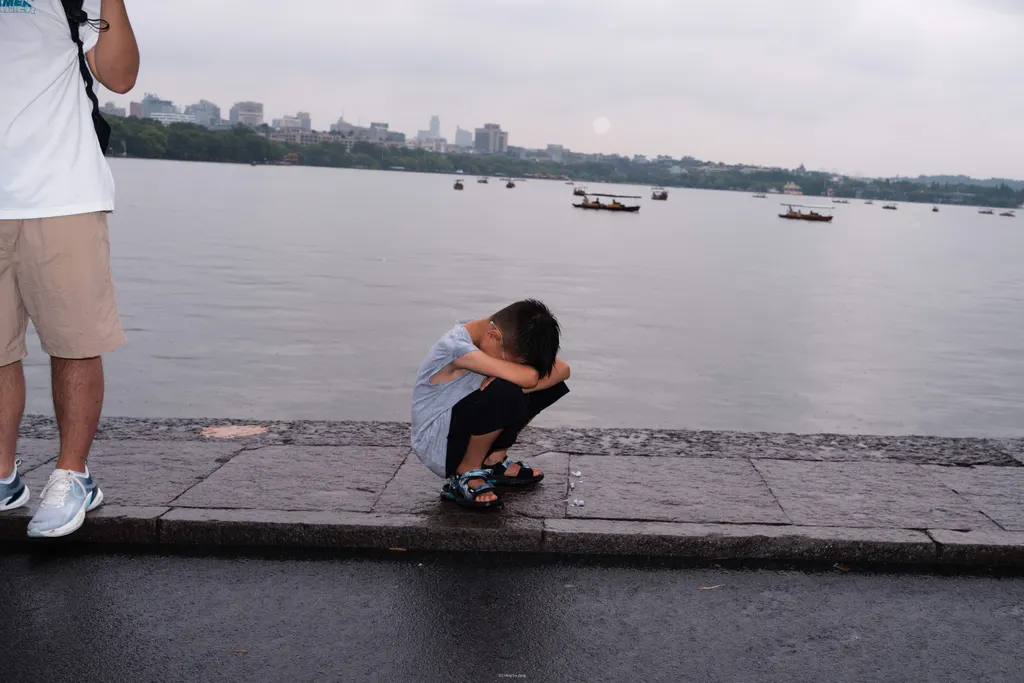
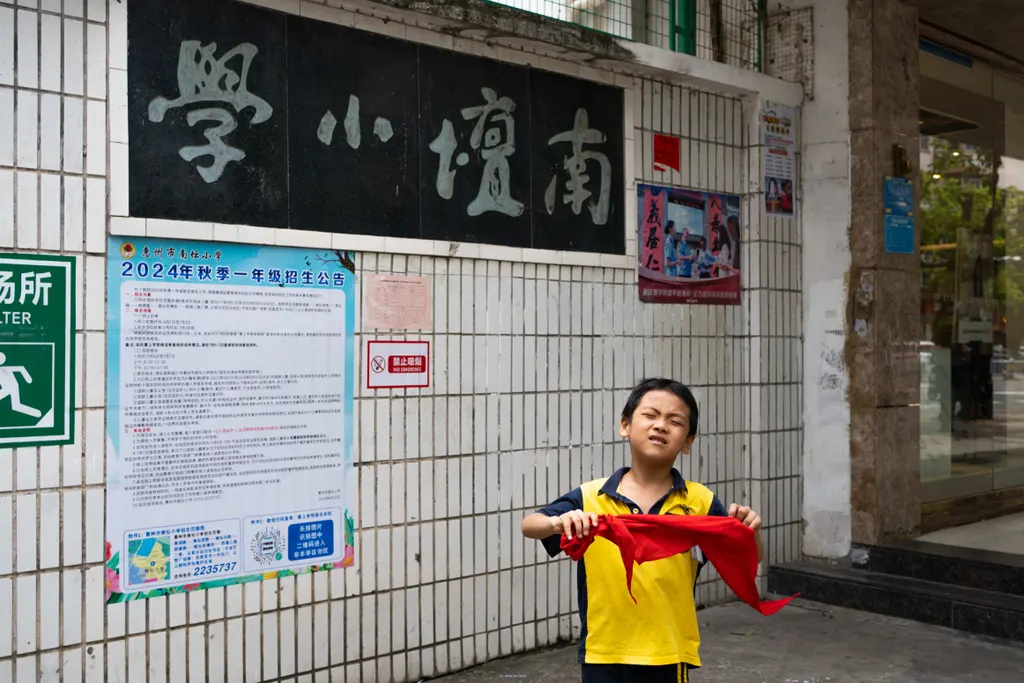
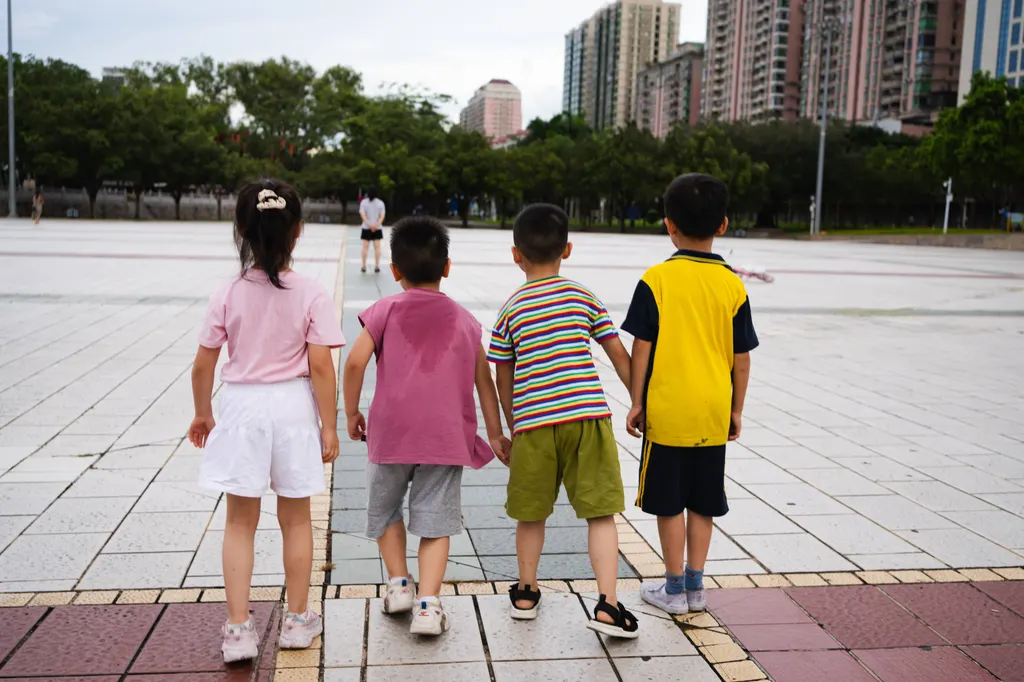
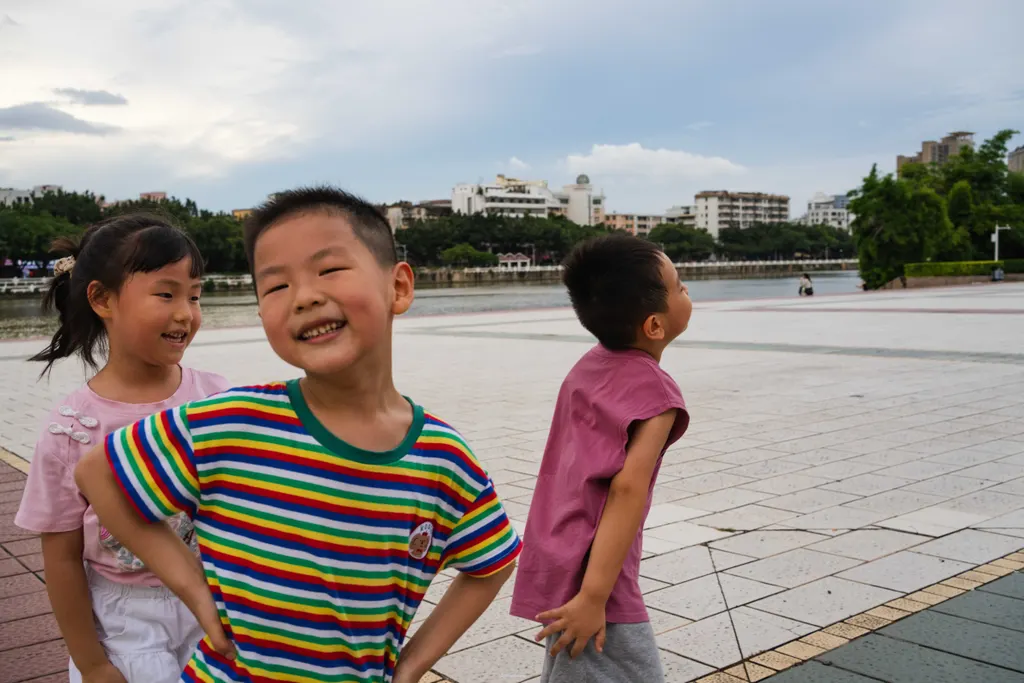
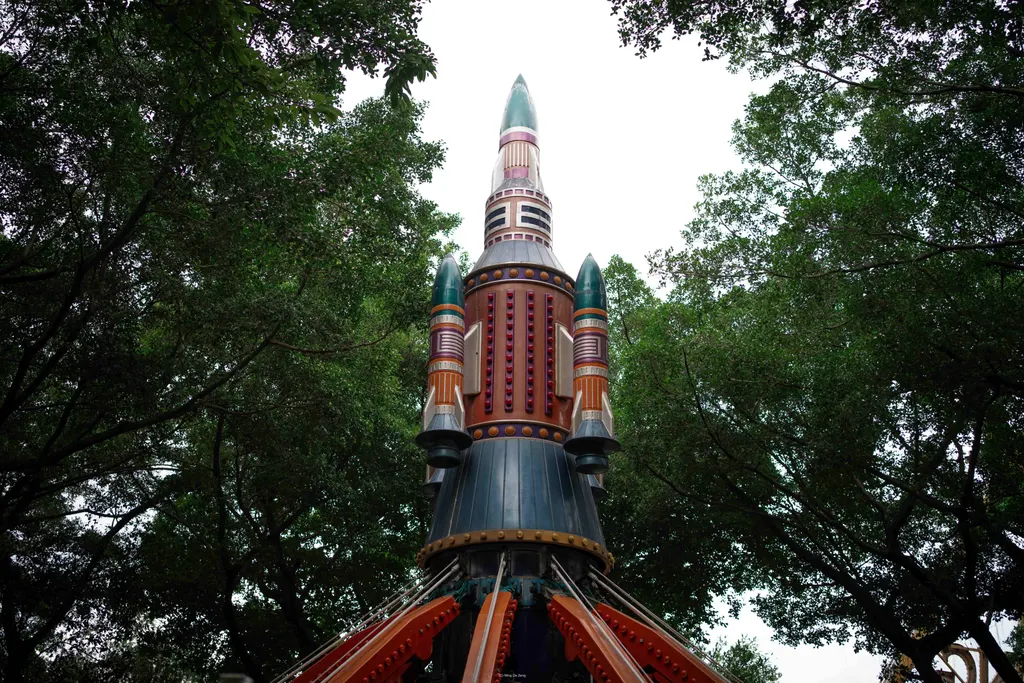
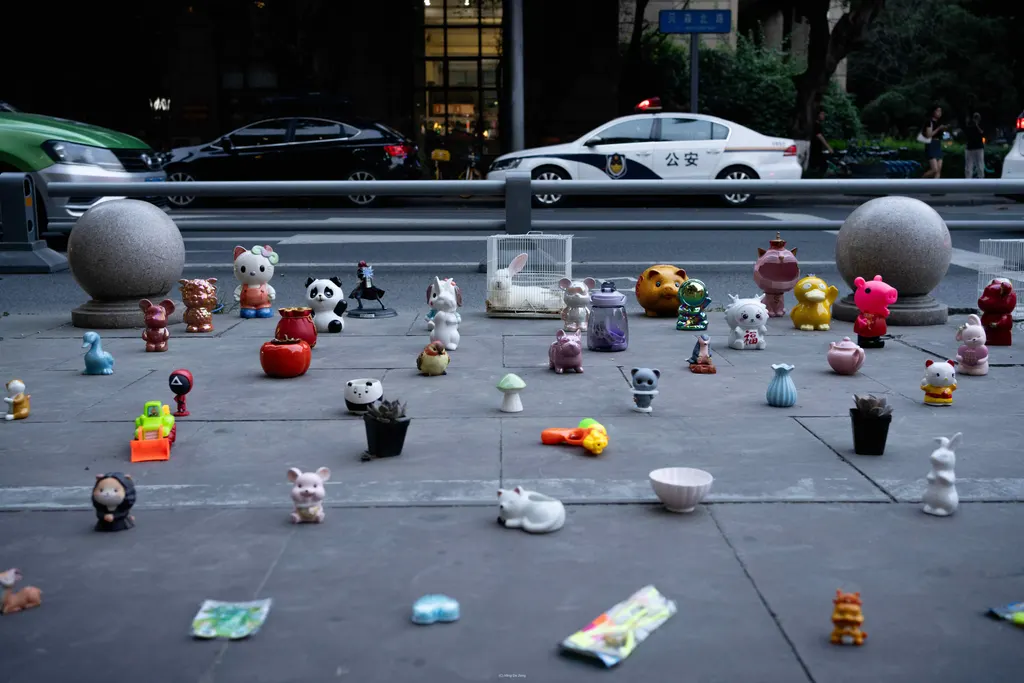
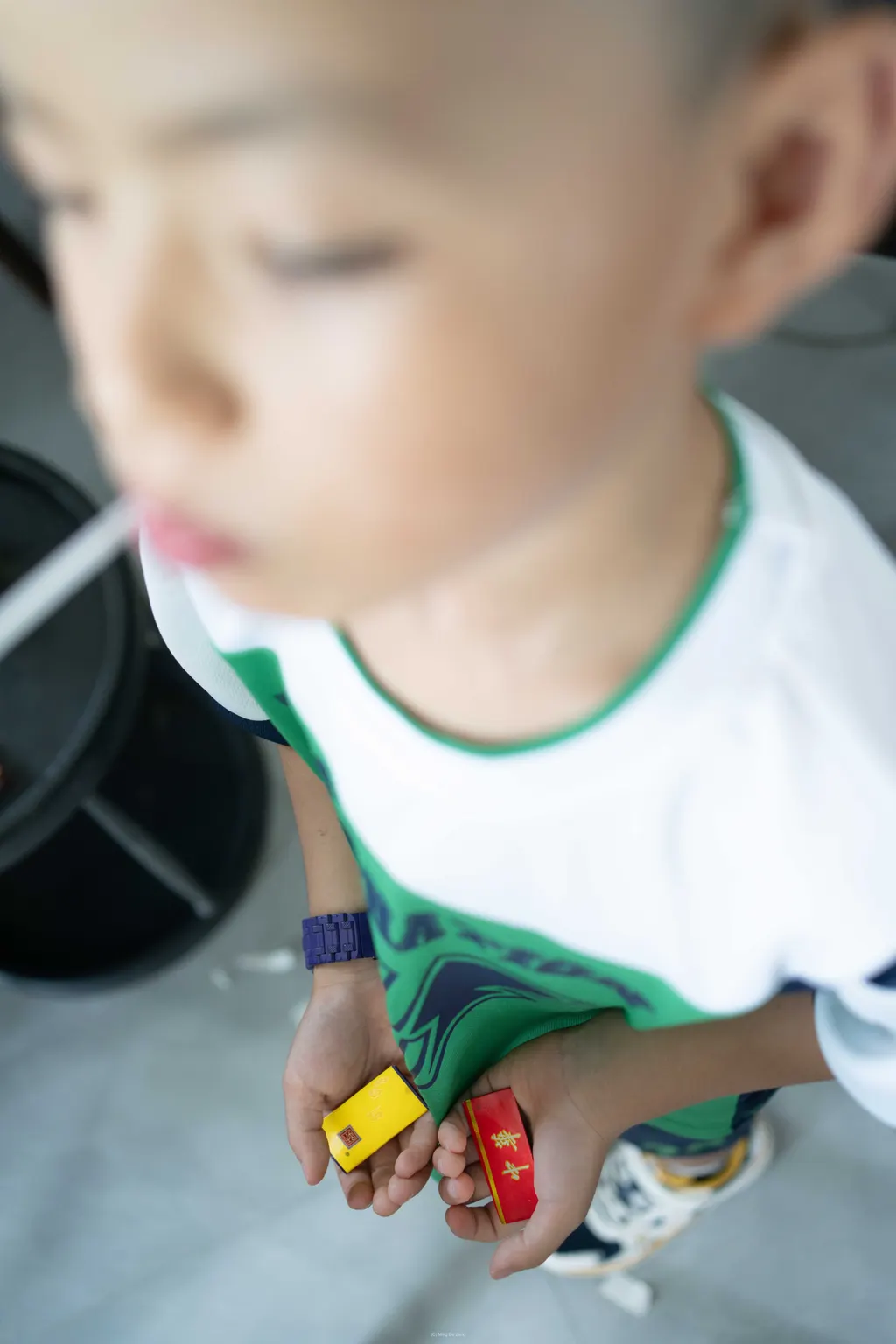
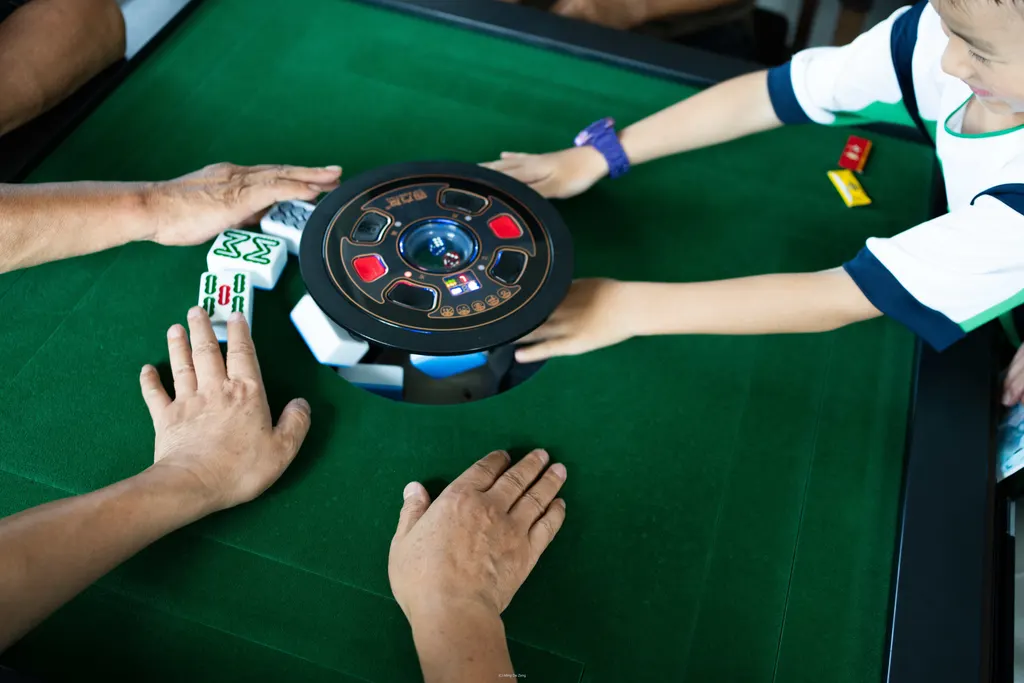
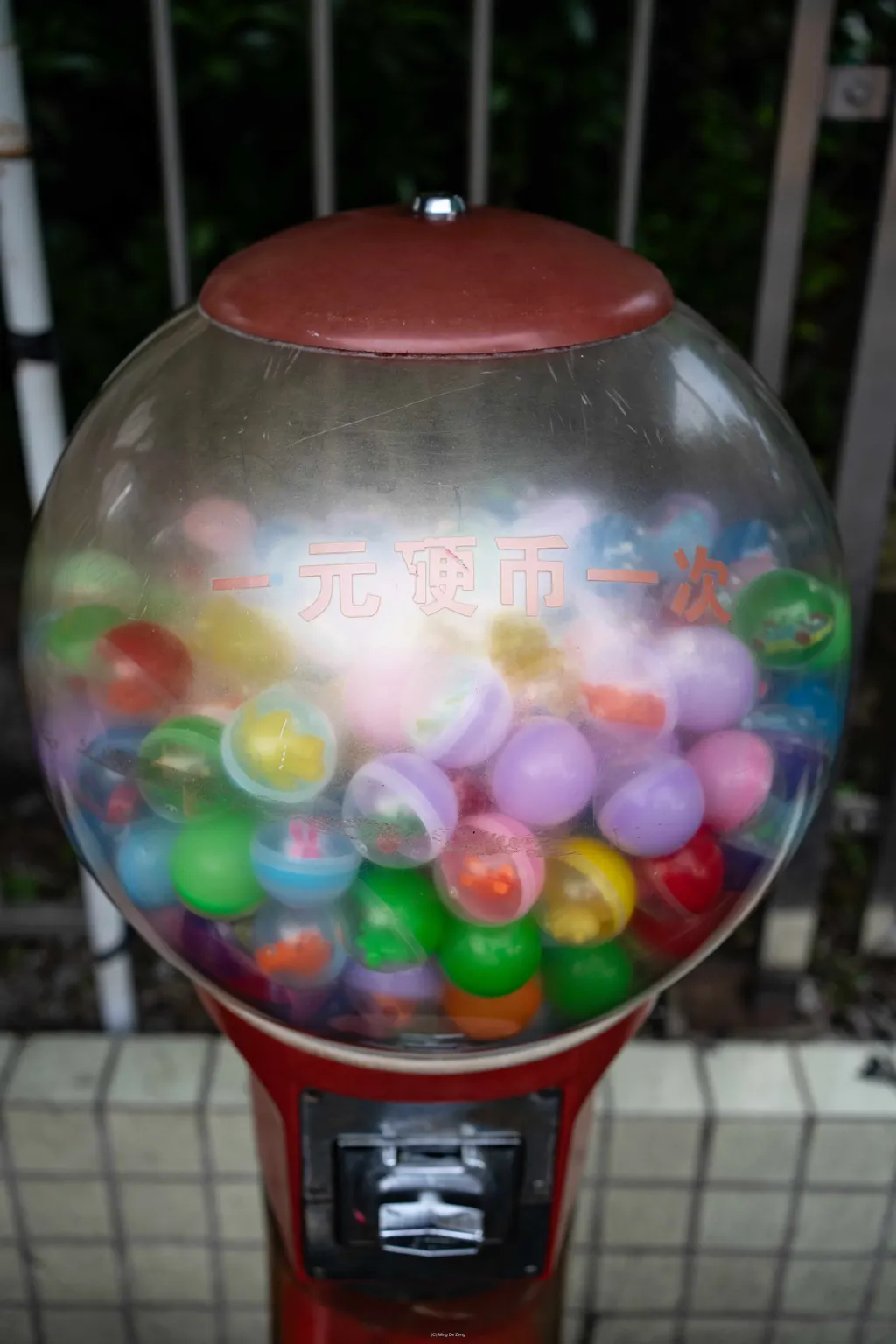
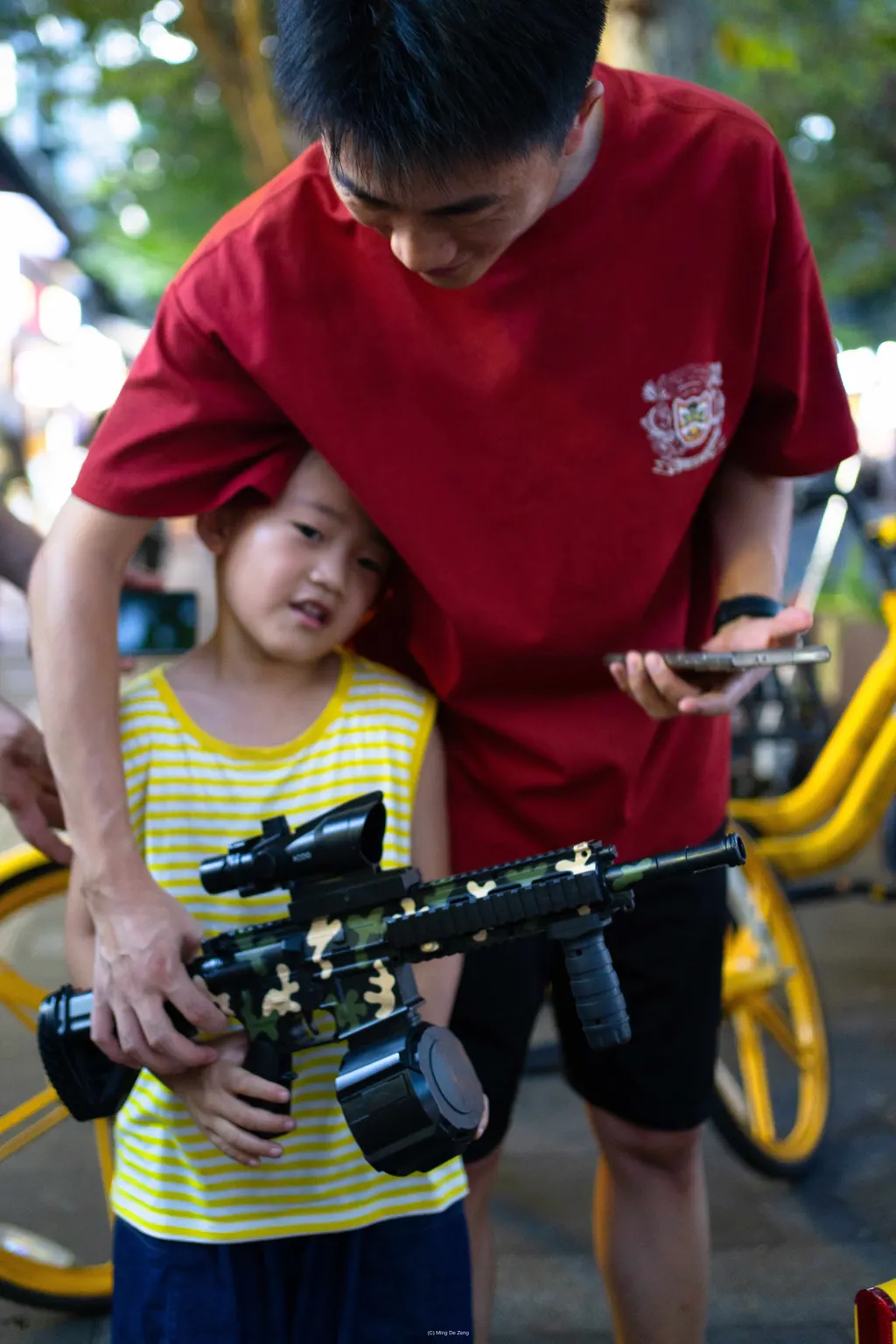
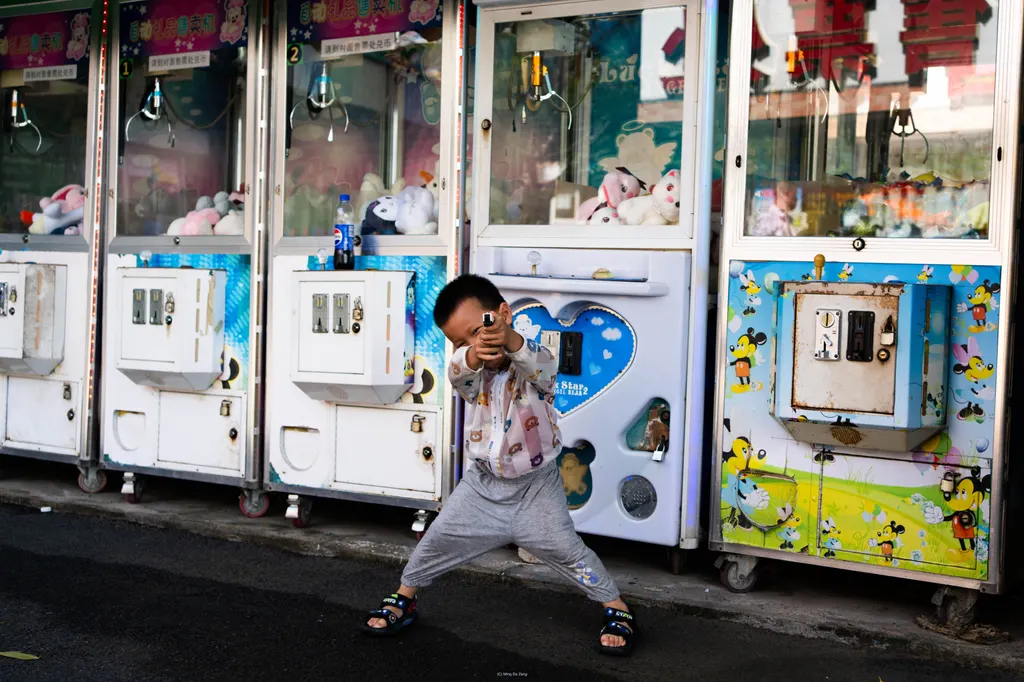
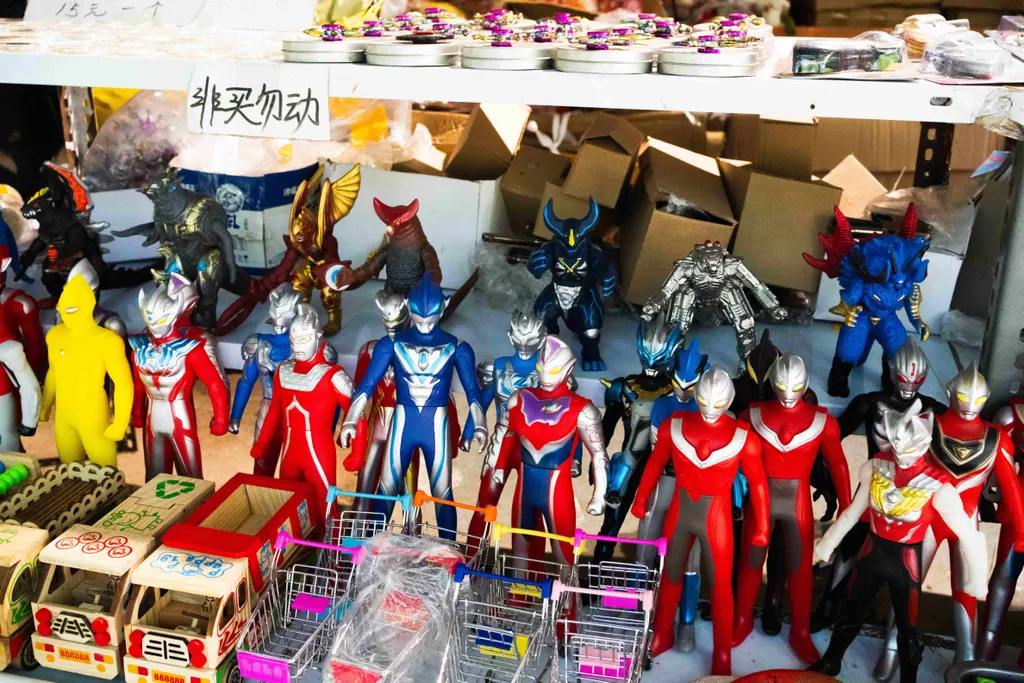
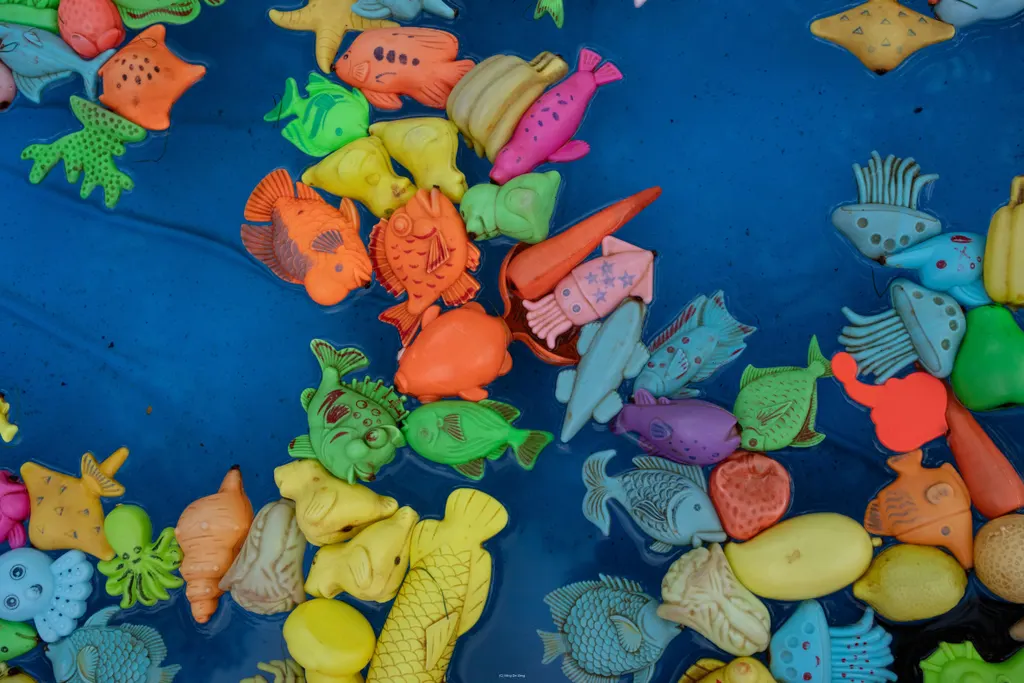
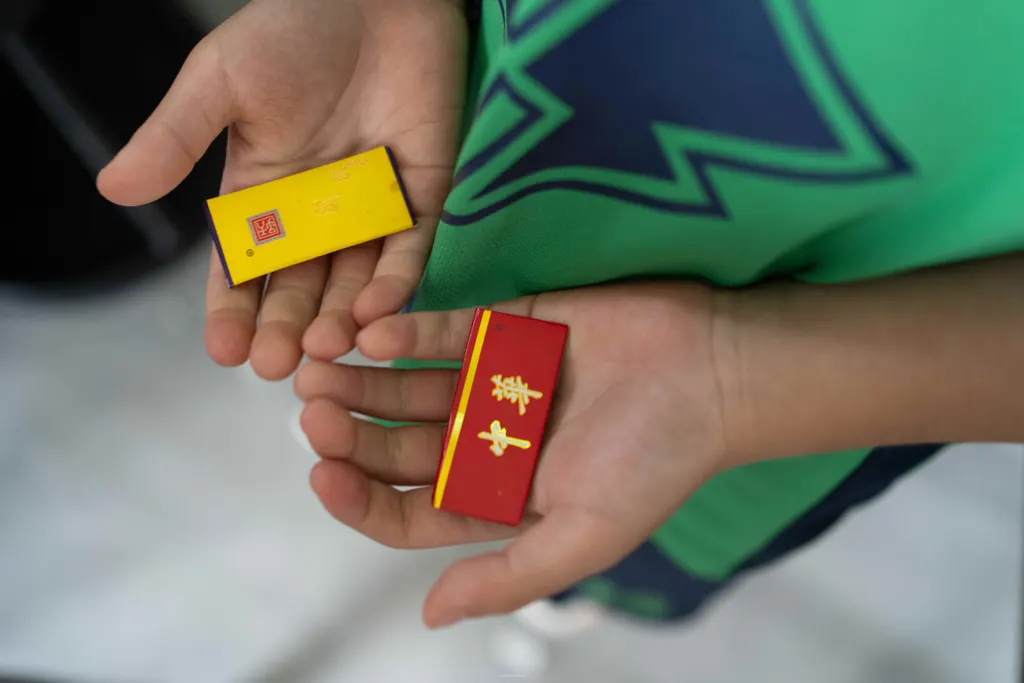
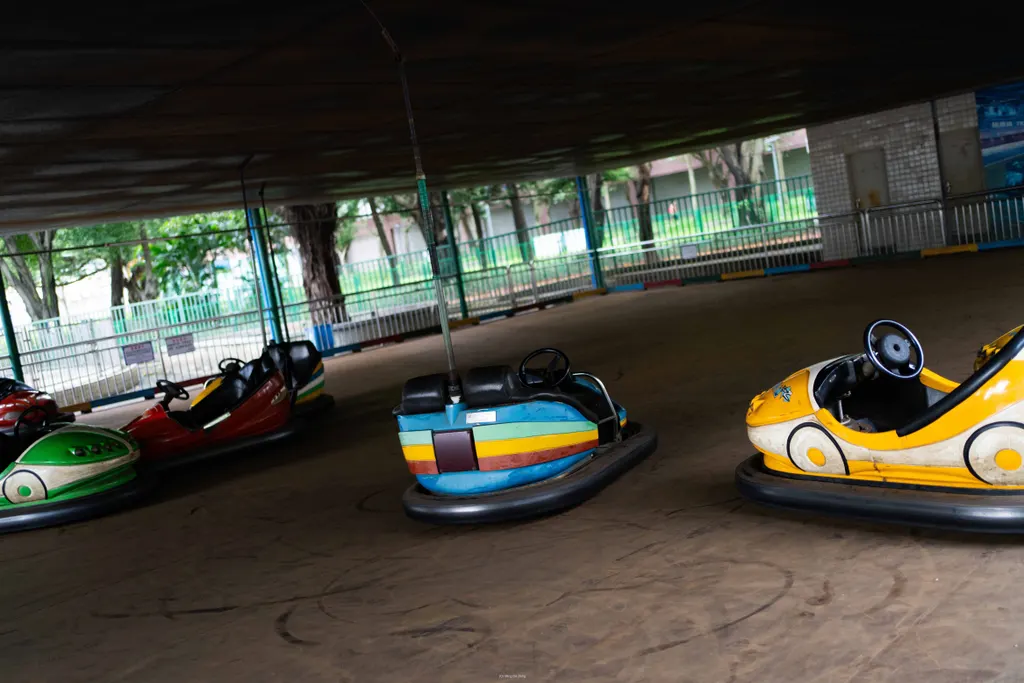
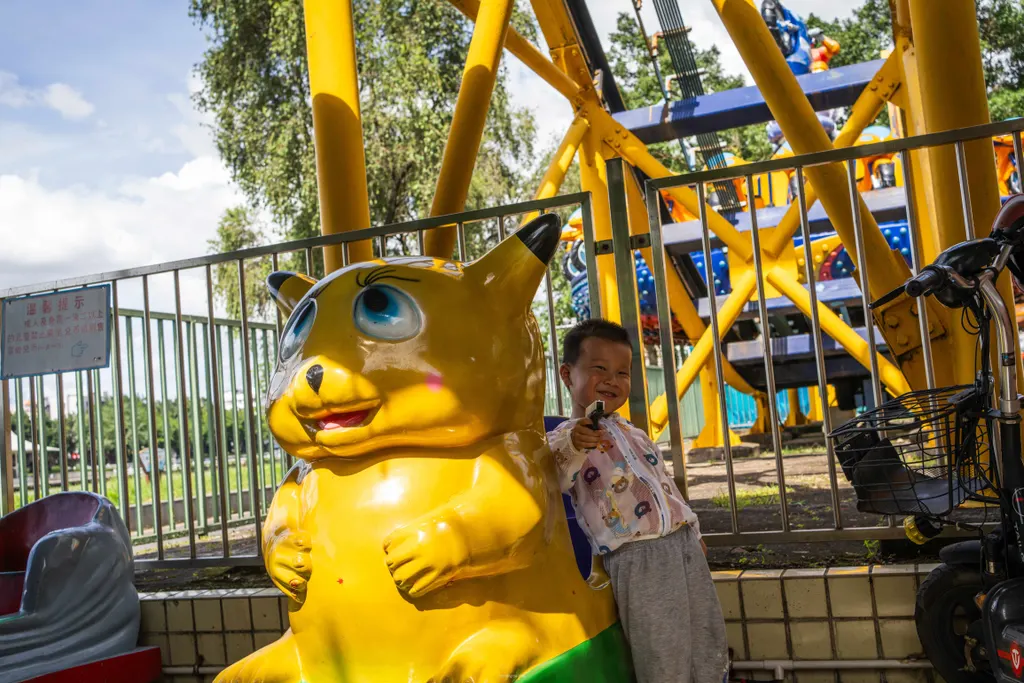
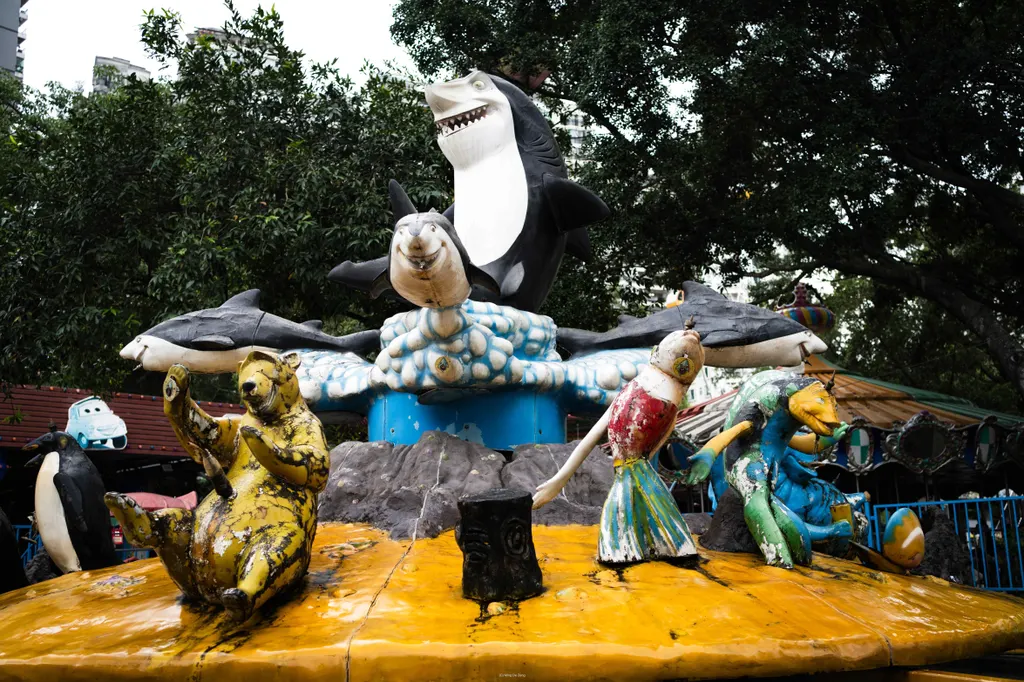
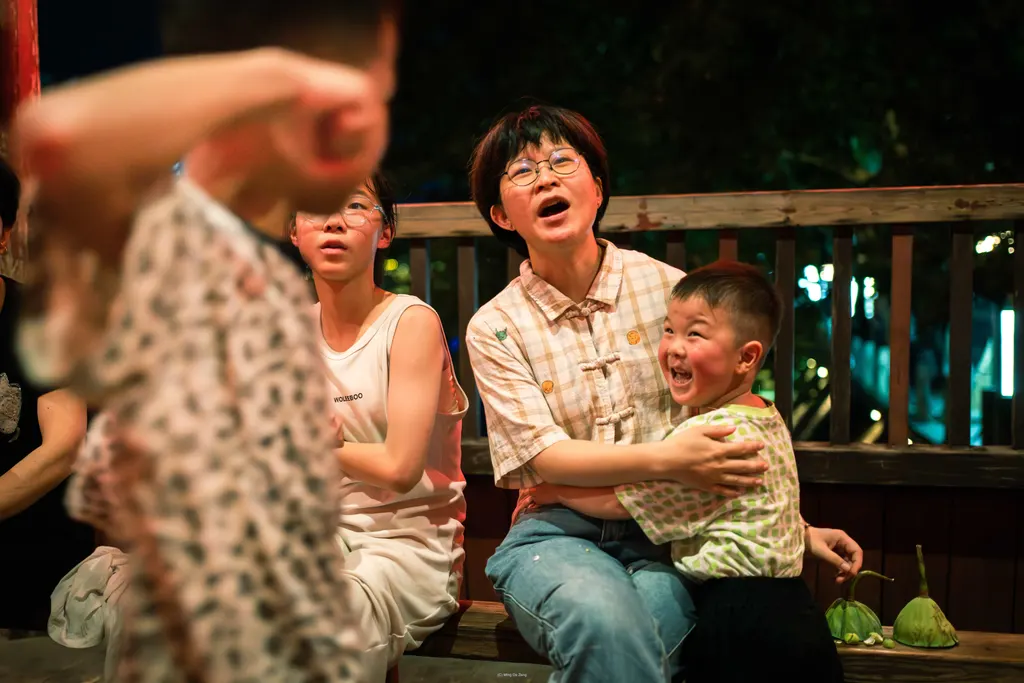
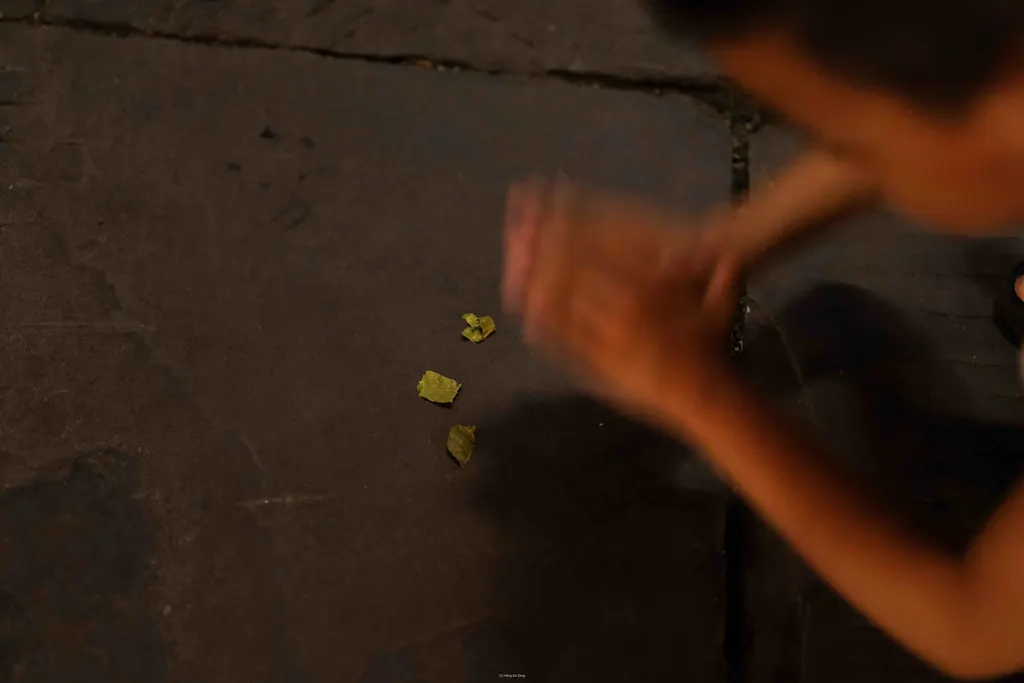
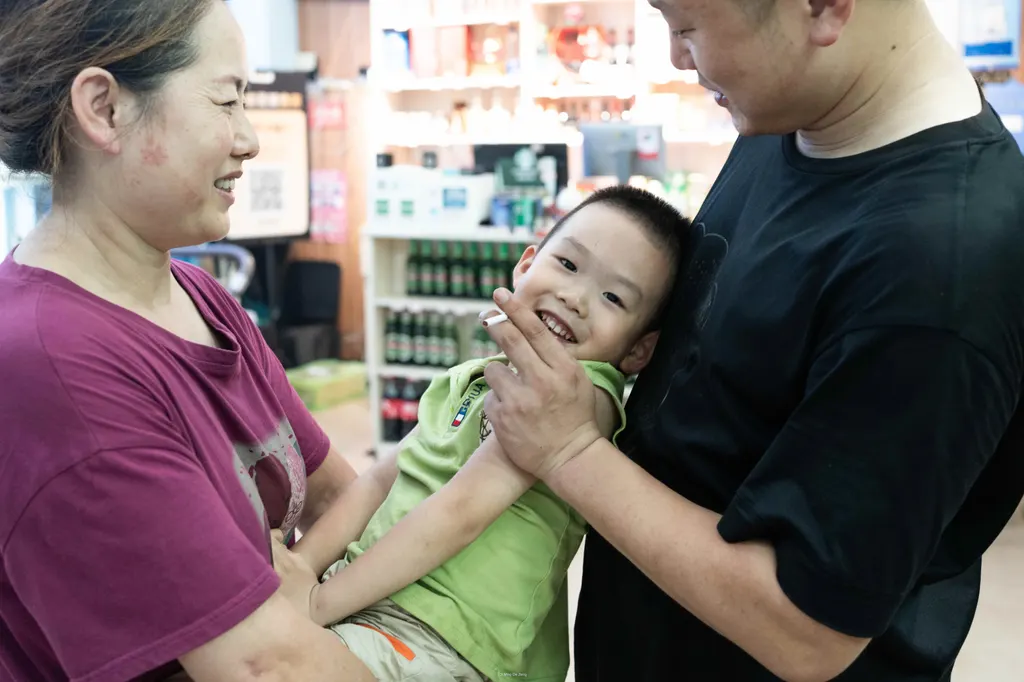
I left Huizhou for Canada at the age of ten. In 2024, I returned to China after many years away and photographed children in parks, schoolyards, shops, streets, waterfronts, and amusement spaces. Their gestures and games sometimes recalled my own childhood, while their lives unfolded in a present that I could observe but never return to as a child.
At the center of the work is one of the few videos of my early childhood that remain, recovered from a broken VCD. It shows me at four years old, swinging a toy jingubang on a bed and absorbed in the role of Sun Wukong. In the photographs around it, children hold toy guns, trade cigarette-pack cards, play mahjong, catch fish, and throw rings toward rabbits in cages.
The Way We Played places the recovered recording among thirty photographs made during my return. The video plays on a 19-inch CRT on a shelf at child height, in the corner where two walls meet. The CRT presents the recovered recording as moving light and sound, distinct from the still prints, which disperse outward across both walls, following associations among objects, gestures, and relations between children and adults. The room holds three times at once: the boy on the screen, the man who came back with a camera, and the children photographed during my return, living in a present of their own. To watch the video I bend toward it.
Questions and answers
About this work
- Why is the childhood video placed at the center?
- It sits on a shelf in the corner where the two walls meet, at a child's eye level, so an adult viewer bends toward it. The CRT presents the recovered recording as moving light and sound, distinct from the still prints around it. The boy in the recording, the adult who came back with a camera, and the children photographed in 2024 remain three distinct positions in the room.
- How does this relate to MT's larger practice?
- It is MT's most autobiographical work and stands on its own terms. Where the systems-based projects examine how meaning is produced by machines, this one is about distance and return: a photographer who can occupy neither the childhood he recorded nor the ones in front of his camera.